The short answer
Furnace short cycling means the burners shut off after only a few minutes, or seconds, and restart more than about eight times an hour. The usual causes are a clogged filter tripping the high-limit switch, a dirty flame sensor, a blocked vent, a badly placed or misconfigured thermostat, or a furnace that is too big for the house.
Furnace short cycling means the burners light, run for only a few minutes (sometimes less than one), shut off and then start again soon after, over and over, often before the house reaches the thermostat setting. The usual causes are a clogged filter that makes the furnace overheat and trip its high-limit switch, a dirty flame sensor, a blocked vent, a thermostat in a poor spot, or a furnace that is simply too big for the house. Start with the filter and thermostat; the rest is technician work.
Normal cycling compared with short cycling
Every furnace cycles. In mild October weather a correctly sized unit runs fairly short, spaced-out cycles, and as it gets colder the runs stretch out until, on a night below 20°F, it may run almost continuously. Short cycling is different: the runs stay short no matter the weather, and the rooms never quite get comfortable.
Time a few cycles with your phone and note what you hear. The pattern helps a technician narrow things down:
- Burners light, then go out within a few seconds and try again: usually a flame-sensing or ignition problem.
- Burners run a few minutes and shut off while the blower keeps going: the classic sign of overheating on the high-limit switch.
- The inducer motor starts but the burners light late or drop out mid-run: often a venting or pressure switch issue.
- Normal-looking cycles that are simply too short, with cold back rooms: often oversizing or thermostat placement.
What makes a furnace short cycle
A clogged filter and an overheating limit switch
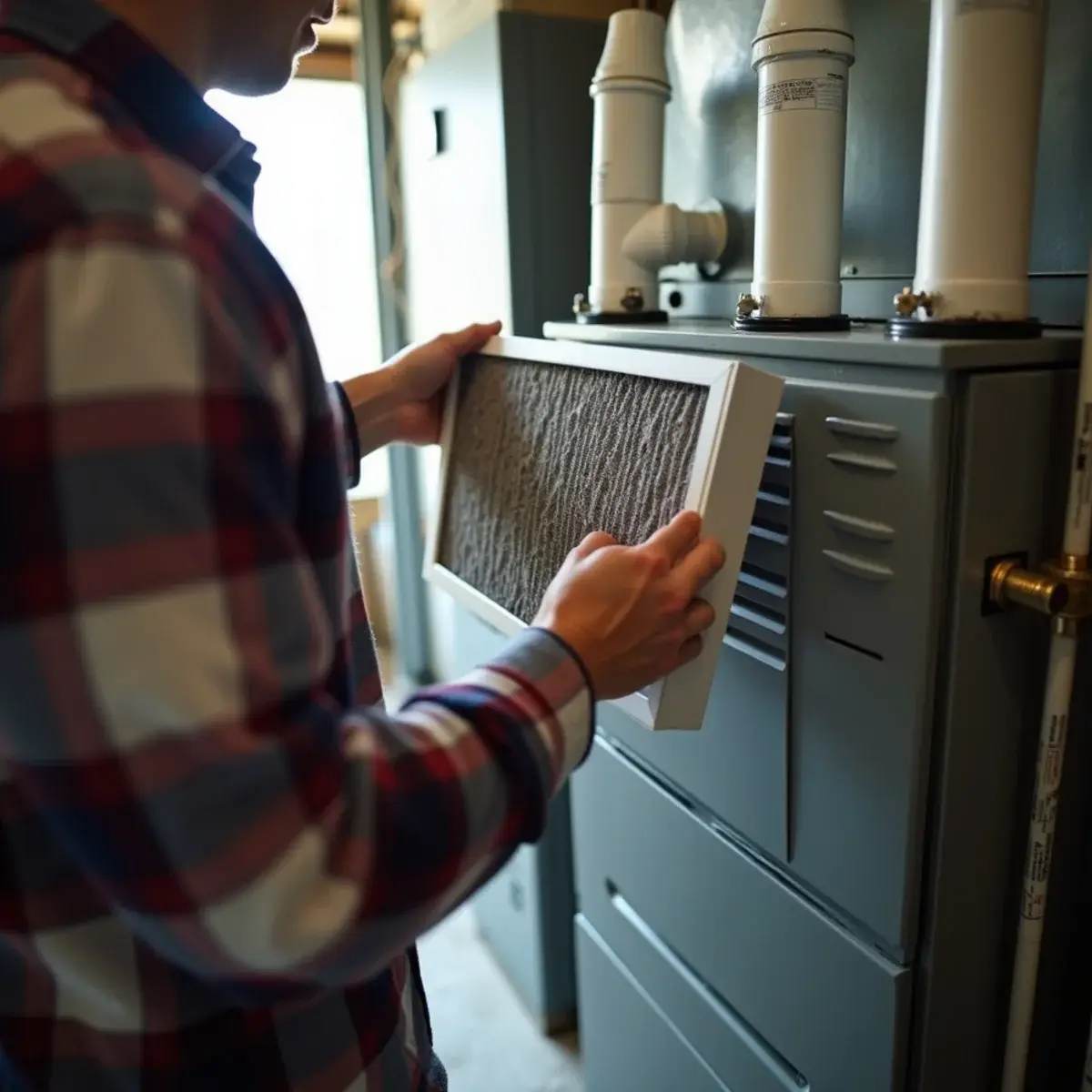
When the filter loads up with dust, air cannot carry heat away from the heat exchanger fast enough. The high-limit switch shuts the burners off to protect the metal, the furnace cools, and the burners relight a minute later. Closed supply registers, return grilles blocked by furniture and crushed flex duct cause the same thing. Repeated overheating stresses the heat exchanger and can eventually crack it, so this one is worth catching early.
A dirty flame sensor
The flame sensor is a thin metal rod that proves to the control board that the burners actually lit. Once it gets coated, the board cannot confirm flame and closes the gas valve within seconds. After a few tries many furnaces lock out completely. It is common on the builder-grade gas furnaces now 15 to 25 years old in Florin Hill and similar post-2000 neighborhoods.
Thermostat location and settings
A thermostat mounted near a supply register, above a lamp, on a sunny wall or beside the kitchen reads warm too early and shuts the heat off. Older mechanical thermostats have a small heat anticipator that, when set wrong, ends cycles too soon. Smart thermostats can do the same with an aggressive cycle-rate setting or unsteady power when there is no common wire.
Blocked venting and the pressure switch
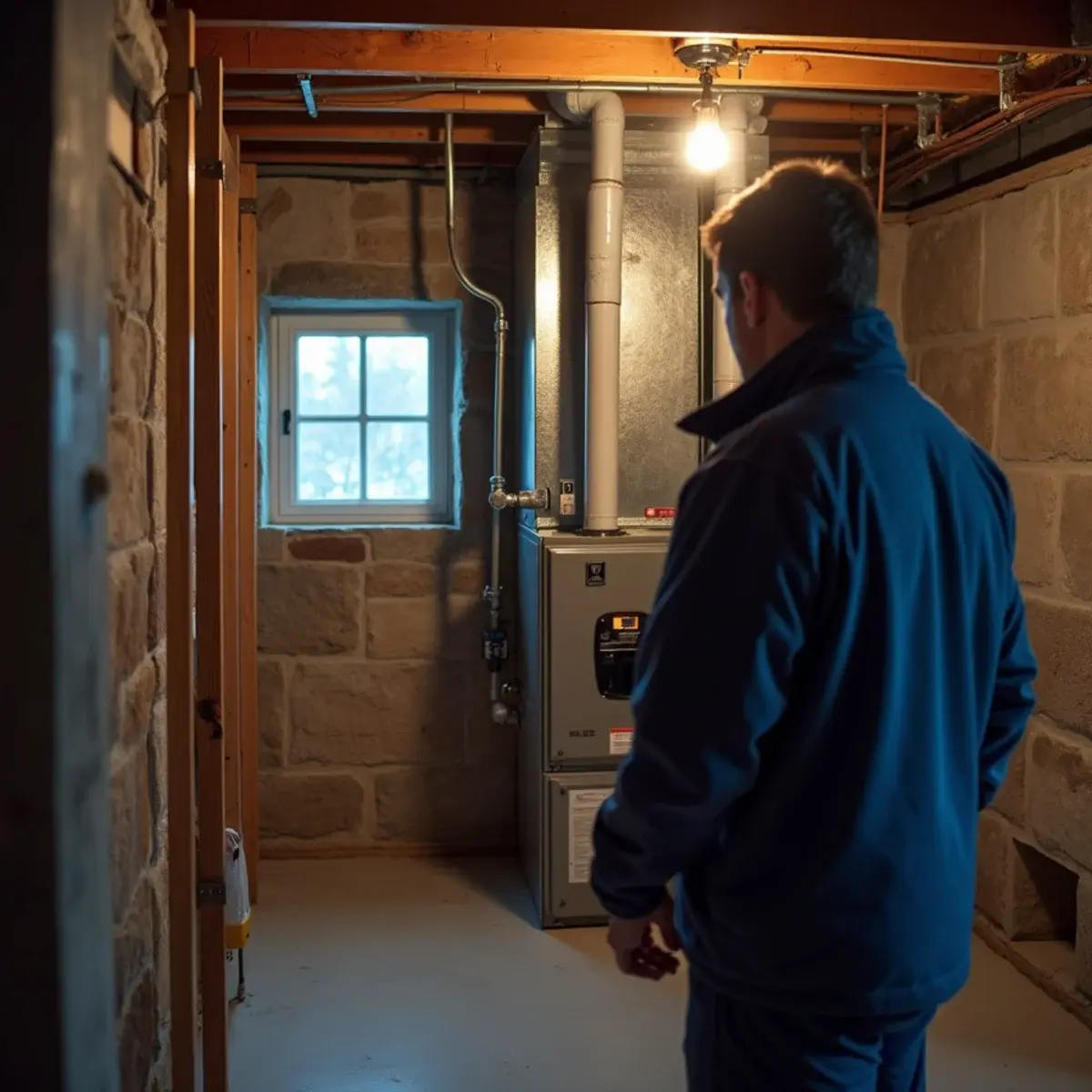
Modern furnaces use an inducer motor to push exhaust out and a pressure switch to prove the vent is clear. A bird nest, a sagging flue pipe, a cracked pressure hose or a condensate trap full of water can open that switch partway through a run. On high-efficiency furnaces, drifting snow over the white PVC pipes on the side of the house does it after nearly every storm.
A furnace that is too big for the house
Many 1970s homes in Lancaster County still have furnaces sized by rule of thumb, or replaced size for size off the original nameplate, even after new windows and insulation cut the load. These units heat the air around the thermostat in a few minutes and shut off. Our article on what a Manual J load calculation is explains how right-sizing works.
A failing control board or loose wiring
A worn relay on the control board, a loose low-voltage wire or a failing inducer motor can all cause intermittent shutdowns that come and go. These take meter testing to find, and they tend to get worse in the coldest weeks when the furnace works hardest.
Heat pumps short cycle too
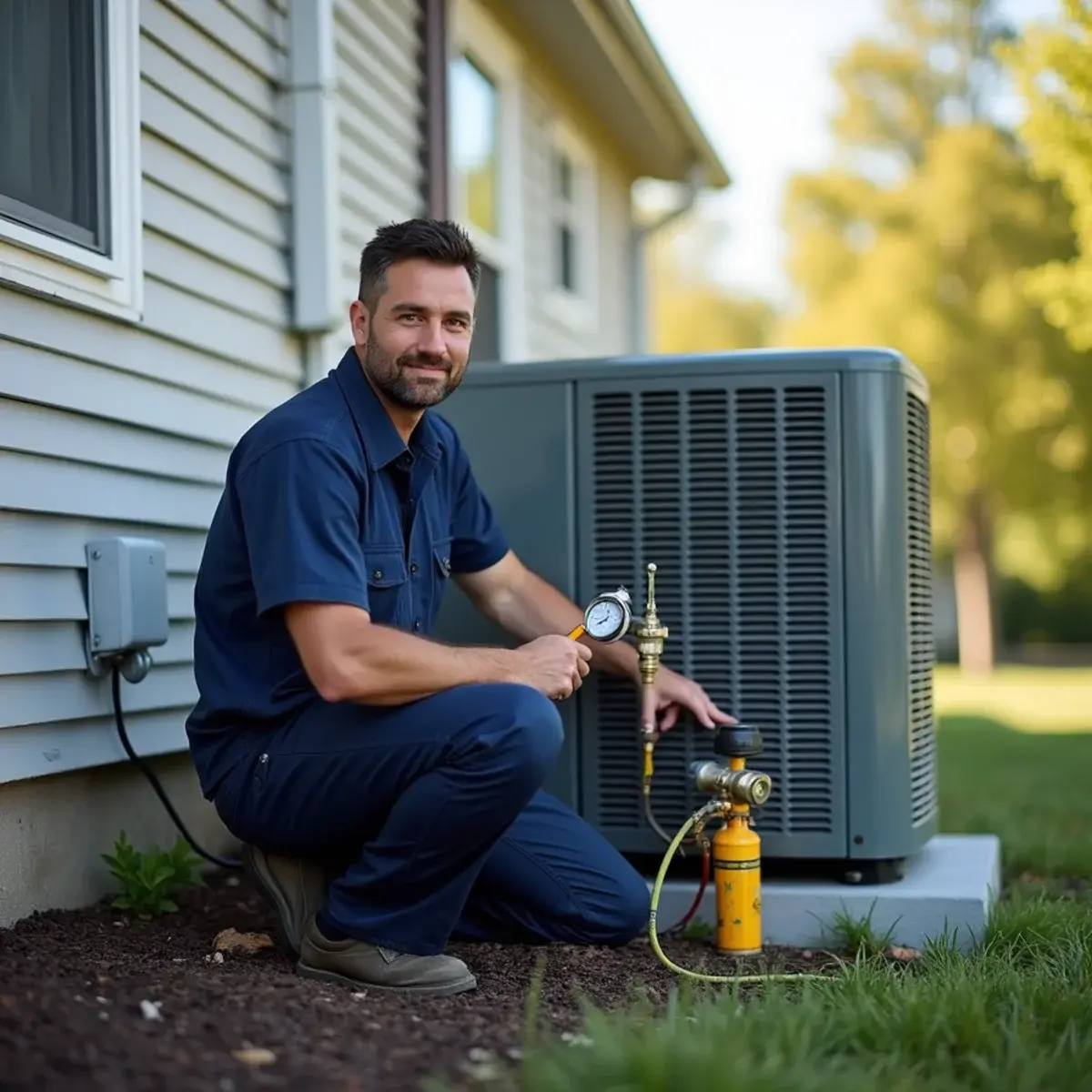
A heat pump that starts and stops every few minutes has its own list of suspects. Low refrigerant from a slow leak can trip the low-pressure switch. An oversized unit short cycles in summer and leaves the house humid. A dirty outdoor coil, a thermostat not set up for heat pump staging, or a failing contactor can all play a part. Refrigerant work requires EPA Section 608 certification, so leave charge questions to the technician handling your heat pump repair.
One thing that is not short cycling: in winter a heat pump pauses heating every so often to defrost its outdoor coil. Our guide to a heat pump blowing cold air in winter explains what a normal defrost looks like. Heat pumps are common in the Londonderry township subdivisions around Palmyra, PA, where both patterns show up on winter calls.
What you can safely check yourself
- Pull the filter. If it is gray and you cannot see light through it, replace it with the same size and point the airflow arrow toward the furnace.
- Open every supply register and clear furniture, rugs and boxes away from return grilles.
- Check the thermostat: fresh batteries, mode set to heat, and nothing warm nearby such as a lamp, TV or sunny window.
- On a high-efficiency furnace, look at the two PVC pipes where they leave the house and clear snow, leaves or a nest from the openings by hand. Do not cut or move the pipes.
- If the furnace door has a small window, note any blinking light pattern on the control board and write it down for the technician.
Leave the panels and safety switches alone
Do not remove the burner door, jumper a limit or pressure switch, or keep resetting the furnace to get heat. Those switches are shutting the burners off for a reason. If you smell gas or a carbon monoxide alarm sounds, leave the house and call 911 from outside.
Why short cycling is worth fixing before January
- Wear: startup is the hardest moment for an igniter, inducer motor, gas valve and blower motor. Doubling the starts shortens their lives.
- Comfort: rooms far from the furnace never catch up, and the house swings between warm and chilly.
- Efficiency: a furnace runs least efficiently in the first minutes of each cycle, so many short runs burn more fuel for the same heat.
- Humidity: the same oversizing that short cycles a furnace usually comes with an oversized air conditioner, which leaves a humid Lancaster County summer feeling damp indoors.
- Safety margin: repeated high-limit trips heat-stress the heat exchanger, the part that keeps exhaust out of your air.
A repair, or a sizing problem?
Most short cycling turns out to be a repair: a filter, a flame sensor, a pressure switch, a board. If the technician finds every component working and the furnace still runs only a few minutes on a cold night, the furnace is probably oversized. Then the real fix comes at replacement, with a system sized to the house through proper AC and furnace installation. We see both answers in the mid-century homes around Ephrata, PA and in older Mount Joy houses alike.
From the service calls
Keep a ten-minute cycle log before you call
Technicians diagnose short cycling partly by timing, and you can collect the same clues with a phone stopwatch. Stand near the furnace, or within earshot of a register, and note when the burners light, when they go out, and what the blower does next.
| What you notice | Likely cause |
|---|---|
| Burners light, then shut off within a few seconds and try again | A dirty flame sensor or a flame-proving problem |
| Burners run a few minutes and go out, but the blower keeps running | Overheating: a clogged filter, closed registers or a weak blower tripping the high-limit switch |
| Inducer runs but the burners never light, or light and drop out | A blocked vent, condensate trap or pressure switch |
| Full, normal-sounding cycles that are just very short, and the house warms fast | A furnace too large for the house, or the thermostat's cycle rate or location |
Many digital thermostats have a cycles-per-hour setting in the installer menu, and older mechanical ones have a heat anticipator; a wrong setting on either can cause short cycles all by itself. Share your log with the person who answers, and the technician on a furnace repair visit can go straight to the likely cause.
When to call about a furnace that keeps cycling
If the filter, registers and thermostat check out and the furnace still turns on and off every few minutes, or it locks out altogether, call (321) 478-0693. Calls are answered 24/7, and we send a local HVAC technician for furnace repair who explains the cause and gives the price before work starts.
Quick answers
How long should a furnace run each cycle?
There is no single right number because run time depends on the weather and the house. As a rough guide, a correctly sized furnace runs several minutes or longer per cycle in mild weather and much longer as temperatures fall. Runs of only a minute or two, repeated all day, point to a problem worth having checked.
Is it safe to keep using a furnace that short cycles?
For a few days while you wait for a visit, usually yes, as long as there is no gas smell and your CO alarms are quiet. Replace the filter first, since overheating is the most common cause. Do not keep resetting a furnace that locks out, and do not ignore the problem for weeks, because repeated overheating stresses the heat exchanger.
Will a new thermostat stop my furnace from short cycling?
Only if the thermostat is the cause. Moving one away from a supply register or sunny wall, or correcting its cycle settings, can fix short runs. It will not help a clogged filter, a dirty flame sensor, a blocked vent or an oversized furnace, so rule those out before buying a new thermostat.
Services mentioned in this guide
Furnace Repair
Gas, oil or propane, a furnace that will not light or keeps blowing cold air gets a real diagnosis: igniter, flame sensor, inducer, oil burner or controls. A local technician explains the fault, gives the price before work starts, and checks for carbon monoxide risk before the heat goes back on.
Furnace Repair in Mount JoyHeat Pump Repair and Replacement
Iced-over outdoor unit, cool air at the vents or a thermostat stuck on aux heat? We send a local technician to diagnose defrost boards, reversing valves, capacitors and refrigerant leaks, then price the fix before work starts. For Florin Hill-era units near 20 years old, we lay out cold-climate and dual fuel replacement options.
Heat Pump Repair in Mount JoyAC and Furnace Installation
Replace a worn-out furnace, air conditioner or heat pump with a system sized by a Manual J load calculation, not the old nameplate. Gas furnace with central air, heat pumps, dual fuel and oil-to-gas conversions for Mount Joy homes, with AHRI-matched equipment, permits handled and the price given before work starts.
AC & Furnace Installation in Mount Joy