The short answer
Repair a 15-year-old furnace, heat pump or AC when the failure is isolated, the system tests safe and repairs have been rare. Replace it when the fix is a major part like a compressor or heat exchanger, breakdowns keep coming, or an R-22 unit is leaking. Age alone does not decide it.
Repair a 15-year-old furnace, heat pump or AC when the fault is a single, moderate part, the system has been reliable and nothing unsafe turned up. Replace it when the repair is major, breakdowns are stacking up, the heat exchanger is cracked, the AC runs on R-22, or the house has never been comfortable. Age alone does not decide it. The pattern of the last few years usually does.
Why this question is coming up across the area right now
Mount Joy's Florin Hill neighborhood broke ground in 2000, and a large share of the borough's homes were built in the following two decades. Builder-grade gas furnaces, central air condensers and heat pumps from those years are now 15 to 25 years old. The same wave is moving through Derry Township subdivisions around Hershey, Warwick Township outside Lititz and the newer edges of Elizabethtown.
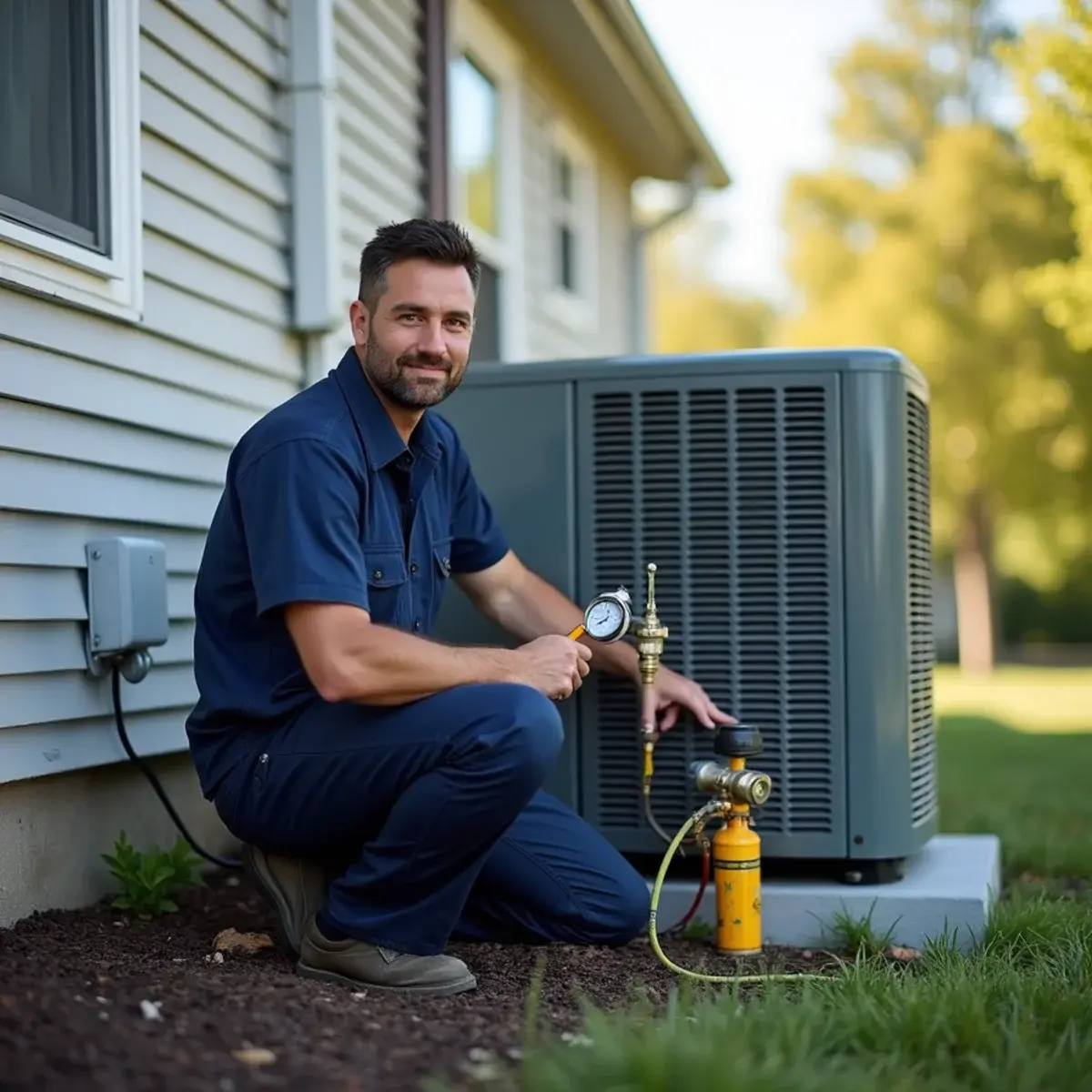
A typical summer call from a Derry Township two-story goes like this: the original condenser has a failed fan motor, the refrigerant is low again, and the homeowner wants to know if one more repair makes sense. The answer depends on more than the part.
How long equipment lasts in central Pennsylvania
Life expectancy varies with installation quality, maintenance and how hard the system works. Lancaster County asks a lot: full heating and cooling seasons, January lows below 20°F and humid July stretches near 95°F.
- Gas furnaces commonly run 15 to 20 years, sometimes longer with yearly service.
- Central air conditioners tend to last 12 to 17 years, with coils and compressors the usual weak points.
- Heat pumps often land at 10 to 15 years here because they run in both seasons, close to year-round.
- Boilers frequently outlast all of them, though oil-fired units need consistent annual service to get there.
Six factors that should drive the decision
1. Repair history
One capacitor in 15 years is normal wear. A capacitor, then a blower motor, then a refrigerant leak within three seasons tells you the system is wearing out as a whole. Keep your service receipts; they make this conversation much easier.

2. Safety findings
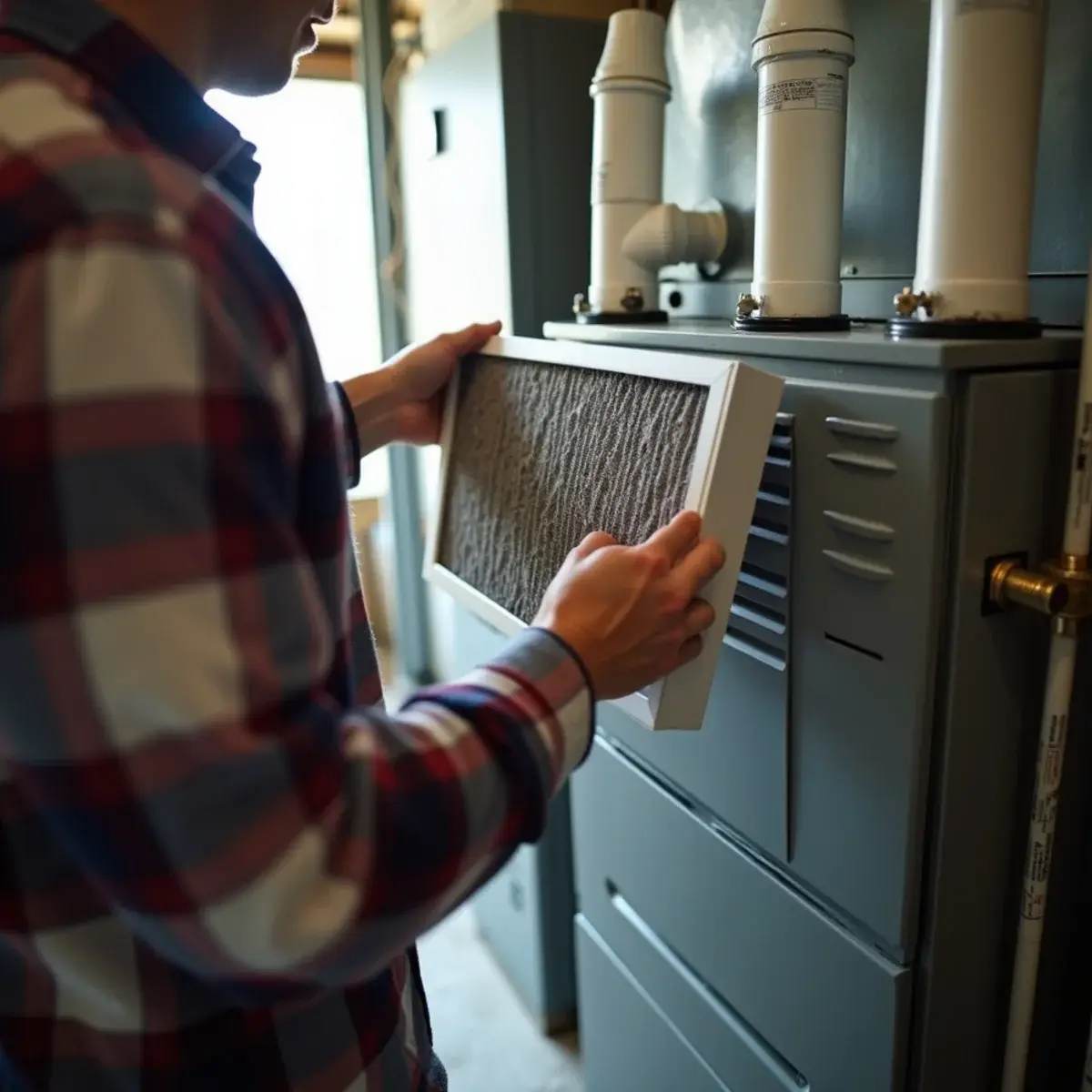
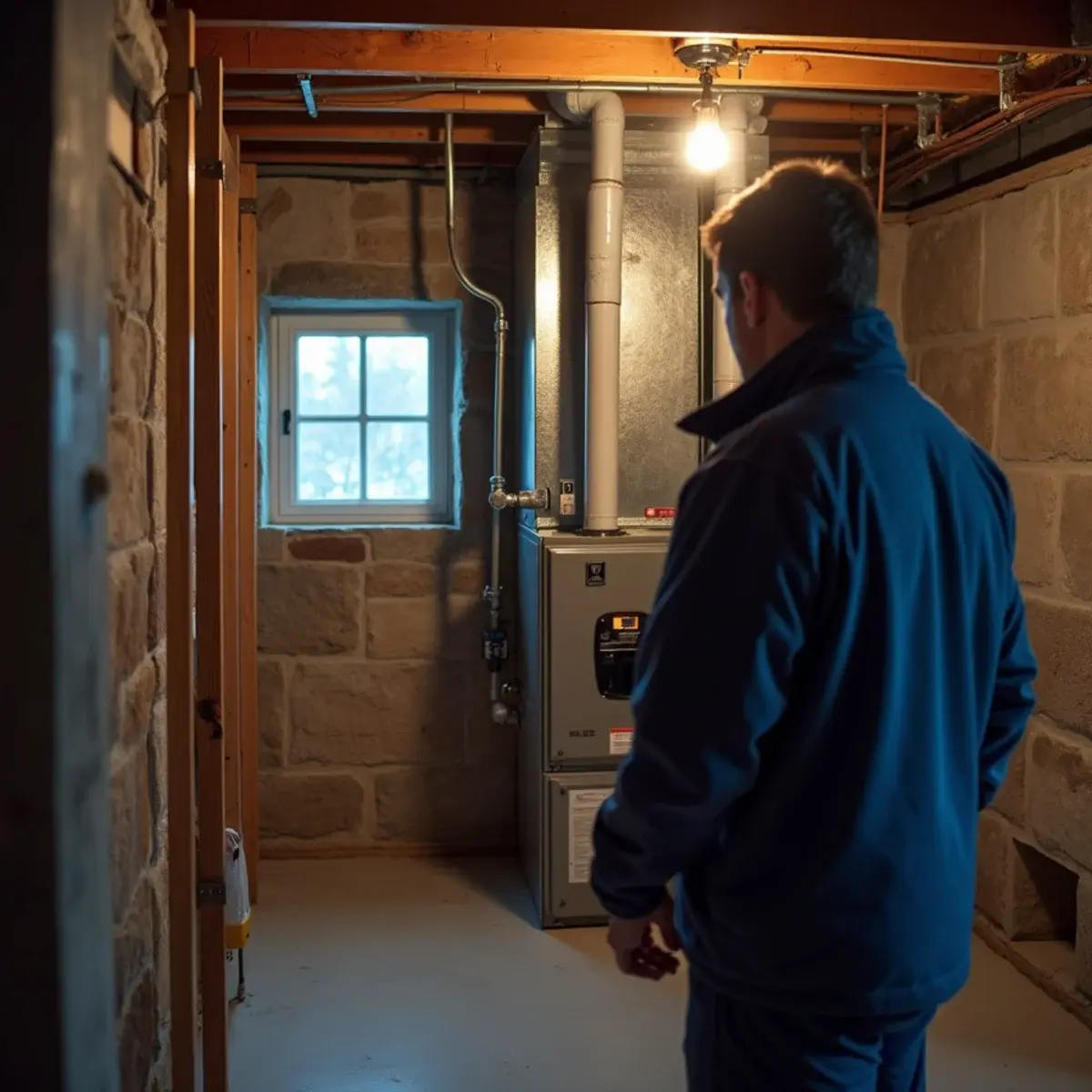
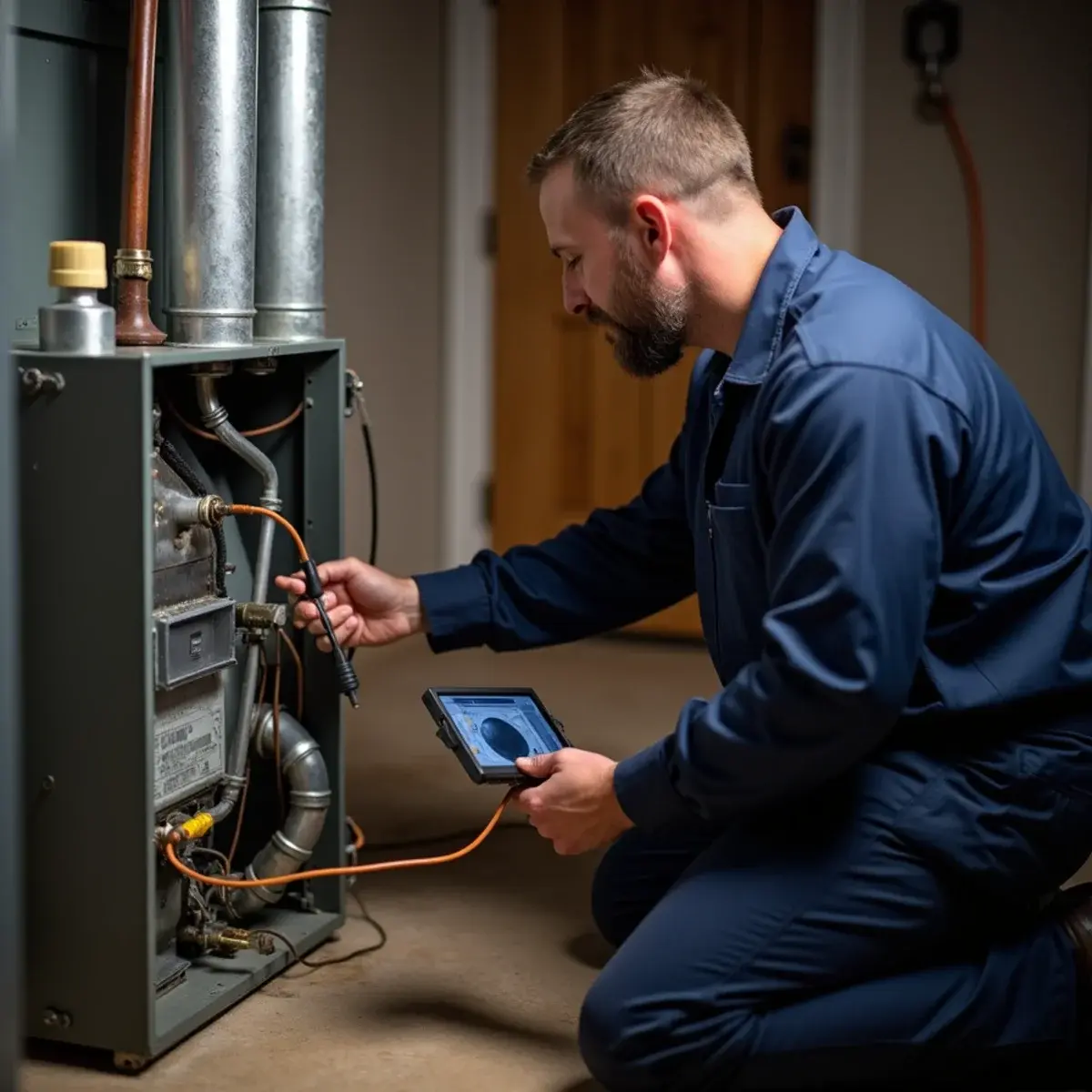
A cracked or rusted-through heat exchanger can let combustion gases, including carbon monoxide, into the airflow. On an older furnace this is almost always a replacement finding, and the technician may shut the gas off until it is addressed. Ask to see the crack on a camera or photo so you understand what was found.
3. Refrigerant type
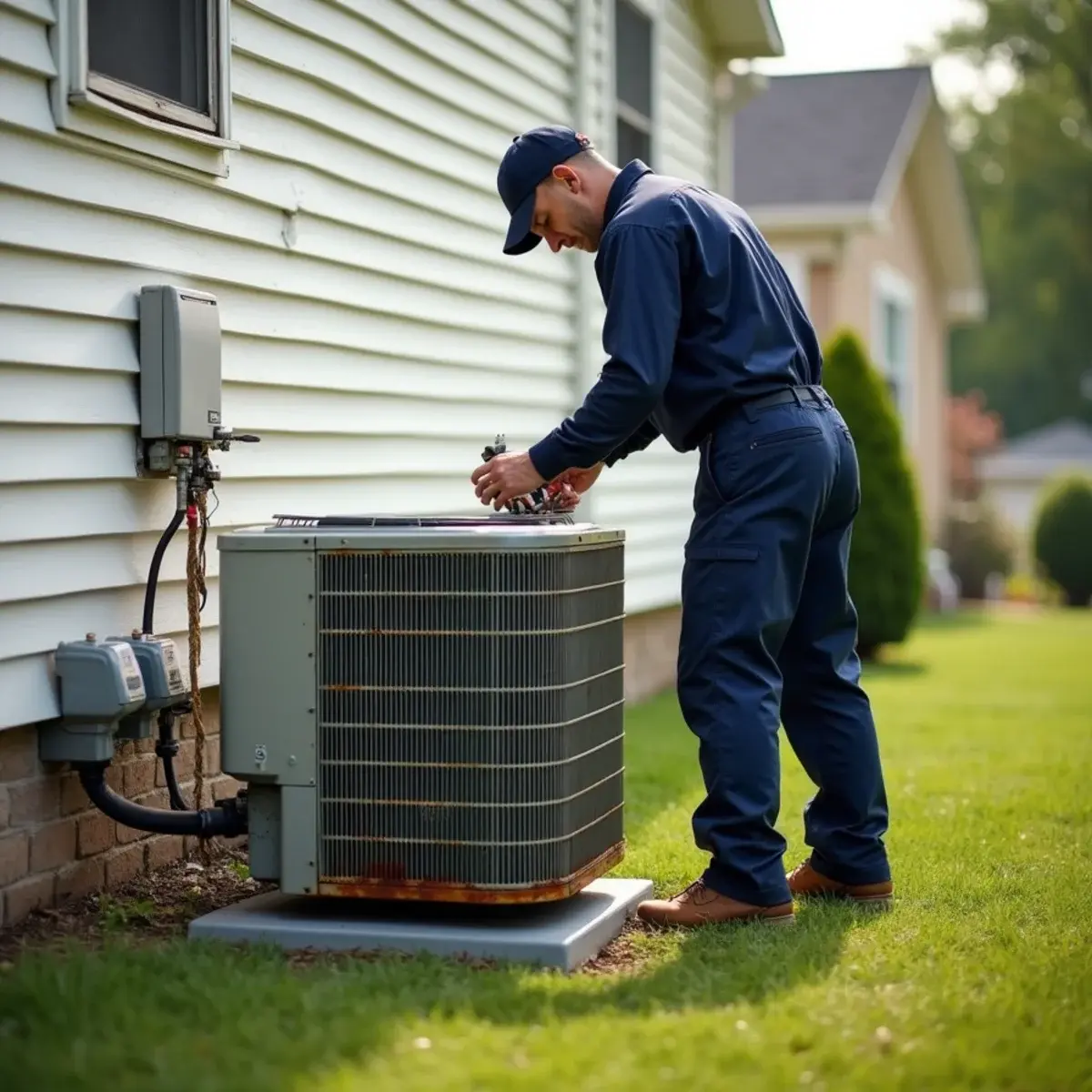
Air conditioners and heat pumps installed before about 2010 often use R-22. Production of R-22 ended on January 1, 2020, so repairs depend on recovered and reclaimed supply, and a leak that needs a recharge gets harder to justify every year. R-410A systems are easier to service, but new equipment sold since 2025 uses A2L refrigerants such as R-454B and R-32, which affects whether a new outdoor unit can be matched to an old indoor coil. Usually it cannot, so a refrigerant-related replacement often means replacing both halves.
4. Efficiency
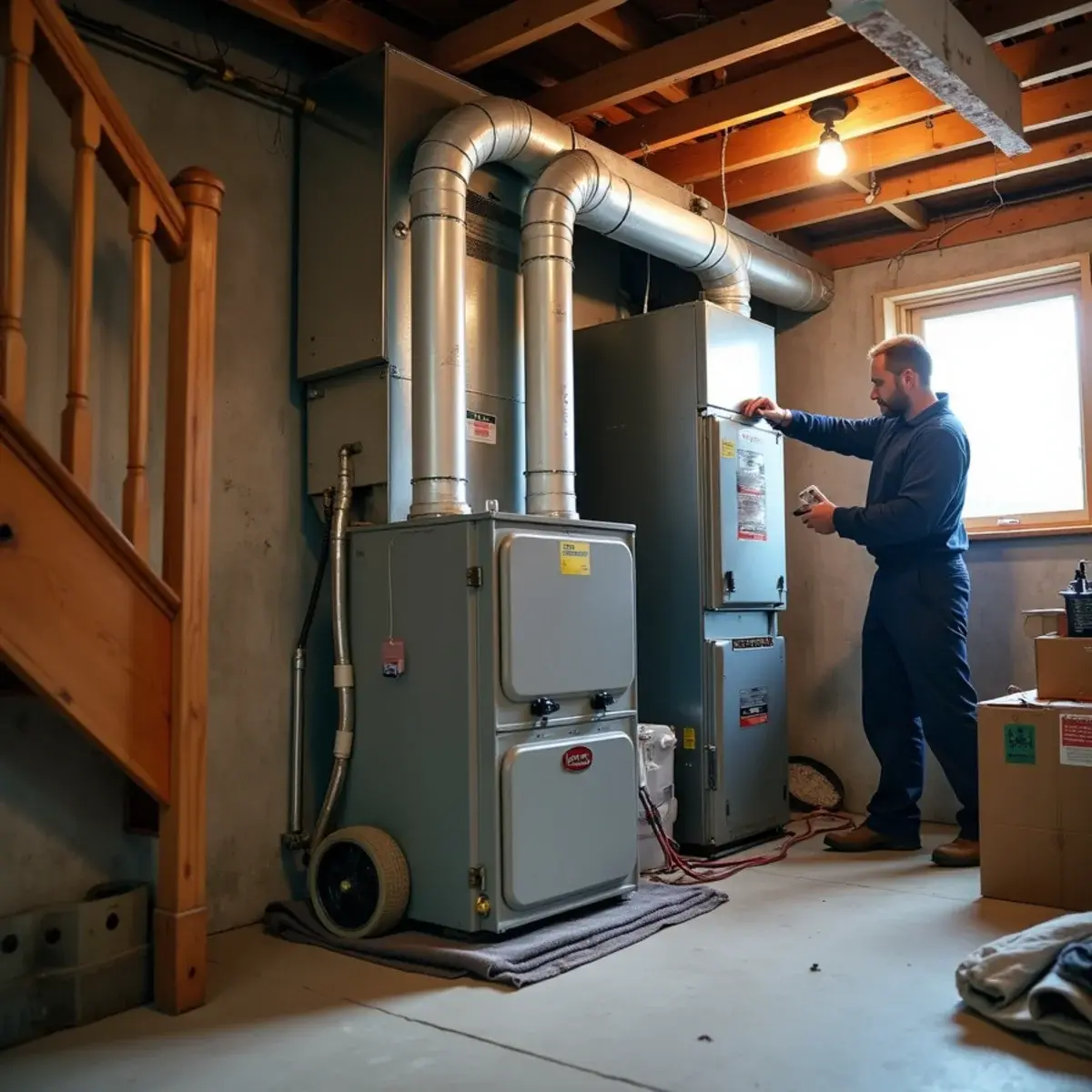
The federal minimum for central air was 10 SEER until January 2006, so some original Florin Hill-era condensers sit at that level. Today's equipment is rated in SEER2 and HSPF2, standards introduced in January 2023, and furnaces are rated by AFUE. Moving from an older 80% furnace to a 95% unit, or from a 10 SEER condenser to a current one, lowers monthly bills, though savings alone rarely justify replacing a healthy system.
5. Comfort
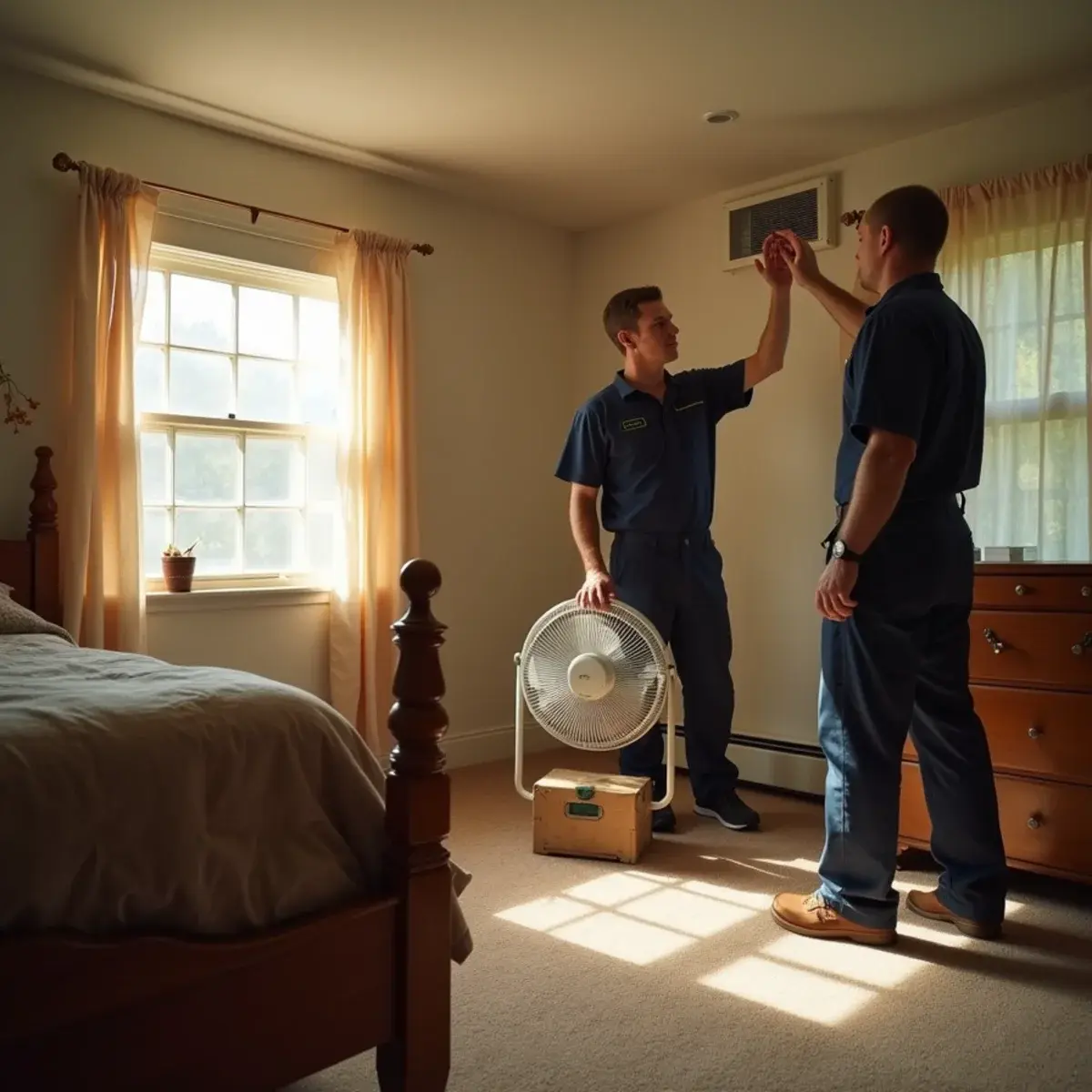
Rooms that never warm up, an upstairs that bakes in July or a house that feels damp even with the AC running may point to a system that was sized wrong from the start. Replacement is a chance to fix that with a proper load calculation; our post on Manual J load calculations explains why a quote should include one.
6. The rest of the system
If the furnace and AC were installed together and one fails at 17 years, the other is probably close behind. Replacing them as a matched pair avoids two installations and mismatched components.
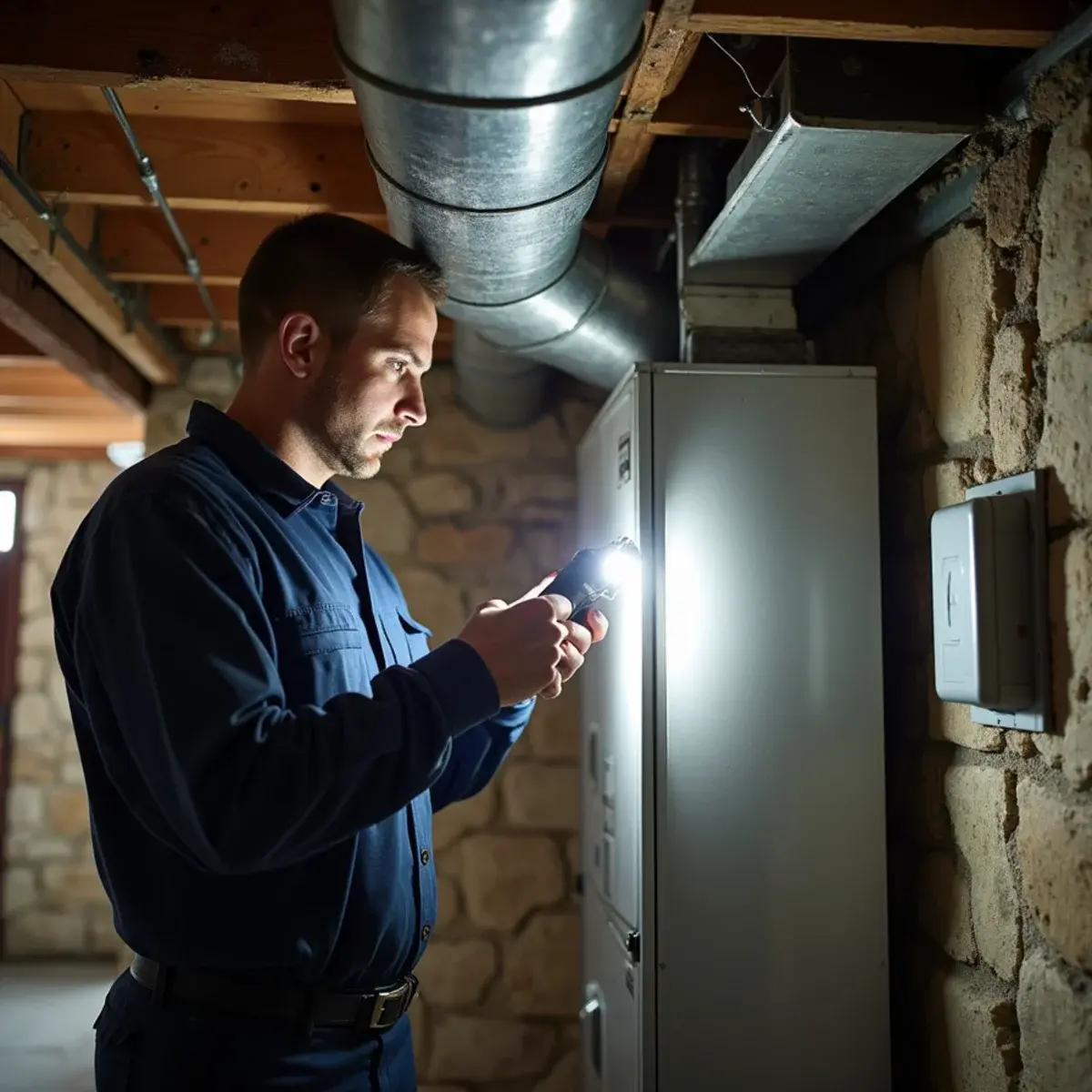
Ductwork belongs in this check as well. Leaky or undersized ducts in an attic or unfinished basement can make a healthy furnace look weak, and a new system bolted onto the same ducts inherits the problem. Ask the technician to measure static pressure and look at duct condition before you decide, especially if one end of the house has always run warmer than the other.
The age times repair cost rule of thumb
A rough heuristic many technicians use: multiply the age of the equipment in years by the repair quote. If the result is larger than the price of a comparable new system, replacement usually makes more sense. If it is well below, repair is usually the better call. It is a starting point, not a verdict. It ignores safety findings, refrigerant type and comfort problems, and it treats every repair as equal when a new igniter and a failed compressor are very different events.
| Factor | Leans repair | Leans replace |
|---|---|---|
| Age | Under about 12 years | 15 years or more, especially heat pumps |
| Repair history | First notable repair | Several repairs in the last few seasons |
| Safety | No combustion or CO concerns | Cracked heat exchanger or venting failure |
| Refrigerant | R-410A with a minor, fixable leak | R-22 or a repeat leak in the coil |
| Comfort | House has always been even and dry | Hot and cold rooms, high humidity, constant running |
| Major part | Capacitor, igniter, flame sensor, contactor | Compressor, heat exchanger, evaporator coil |
Questions to ask before you approve either one
- What exactly failed, and is anything else close to failing?
- If I repair it, what is the most likely next problem on a system this age?
- If I replace, will the new system be sized by a load calculation rather than matched to the old nameplate?
- Does replacing one unit force a change to the other, such as the indoor coil?
- Are there current PPL or UGI programs worth checking? Programs change every year, so check the current rebate options before signing.
For specific equipment, our furnace repair and heat pump repair and replacement pages go deeper on common failures, and the AC and furnace installation page covers system options and installation day.
From the service calls
Count the last two years, not just today's quote
The most common mistake on repair-or-replace calls is judging the decision on one invoice. A better picture comes from three numbers you can put together yourself.
- Add up the last 24 months. Put today's repair quote together with everything spent on the system in the past two years. Three or more service calls in that window is a pattern, not bad luck.
- Compare it with half a replacement. Many technicians use a 50% rule: when that two-year total approaches half the price of a properly sized new system, replacement usually wins. Ask for both prices so you can do the math.
- Sort the failure: isolated or system-level. A capacitor, contactor, igniter or flame sensor is an isolated part on an otherwise healthy system. A compressor, heat exchanger, evaporator coil or refrigerant leak on an R-22 unit says the system itself is wearing out.
If the numbers point to replacement, insist on a load calculation before choosing the new size; many Hershey-area and Mount Joy homes are carrying oversized originals. Our AC and furnace installation page explains what that quote should include.
Getting a straight answer on your system
The most useful thing you can get is an honest diagnosis with both paths priced, so you can compare them side by side. Call (321) 478-0693 and we send a local HVAC technician who explains what failed, what it would take to repair it and what a replacement would involve, with the price before any work starts. Calls are answered 24/7, including for homes covered on our Hershey and Derry Township service page.
Quick answers
Is it worth fixing a furnace that is 20 years old?
Sometimes. A 20-year-old furnace with a failed igniter or flame sensor and a clean heat exchanger can run several more winters. If the repair involves the heat exchanger, inducer motor plus control board, or the system has needed several repairs lately, putting that money toward a properly sized replacement usually makes more sense.
Can I replace just the outdoor AC unit and keep the old indoor coil?
Usually not on an older system. New outdoor units use different refrigerants and are designed to work with a matched indoor coil, so pairing a new condenser with a 15-year-old coil can hurt efficiency and humidity control and lead to early compressor or coil failures. A technician can confirm whether your existing coil is compatible.
How can I tell if my heat pump is worn out or just needs a repair?
Watch for a heat pump that runs nonstop on mild days, leans on auxiliary heat whenever it drops below freezing, or needs refrigerant added more than once. Those point to a tired compressor or a leaking coil. A single failed capacitor or defrost sensor on an otherwise steady unit is an ordinary repair.
Services mentioned in this guide
AC and Furnace Installation
Replace a worn-out furnace, air conditioner or heat pump with a system sized by a Manual J load calculation, not the old nameplate. Gas furnace with central air, heat pumps, dual fuel and oil-to-gas conversions for Mount Joy homes, with AHRI-matched equipment, permits handled and the price given before work starts.
AC & Furnace Installation in Mount JoyHeat Pump Repair and Replacement
Iced-over outdoor unit, cool air at the vents or a thermostat stuck on aux heat? We send a local technician to diagnose defrost boards, reversing valves, capacitors and refrigerant leaks, then price the fix before work starts. For Florin Hill-era units near 20 years old, we lay out cold-climate and dual fuel replacement options.
Heat Pump Repair in Mount JoyFurnace Repair
Gas, oil or propane, a furnace that will not light or keeps blowing cold air gets a real diagnosis: igniter, flame sensor, inducer, oil burner or controls. A local technician explains the fault, gives the price before work starts, and checks for carbon monoxide risk before the heat goes back on.
Furnace Repair in Mount Joy