
The short answer
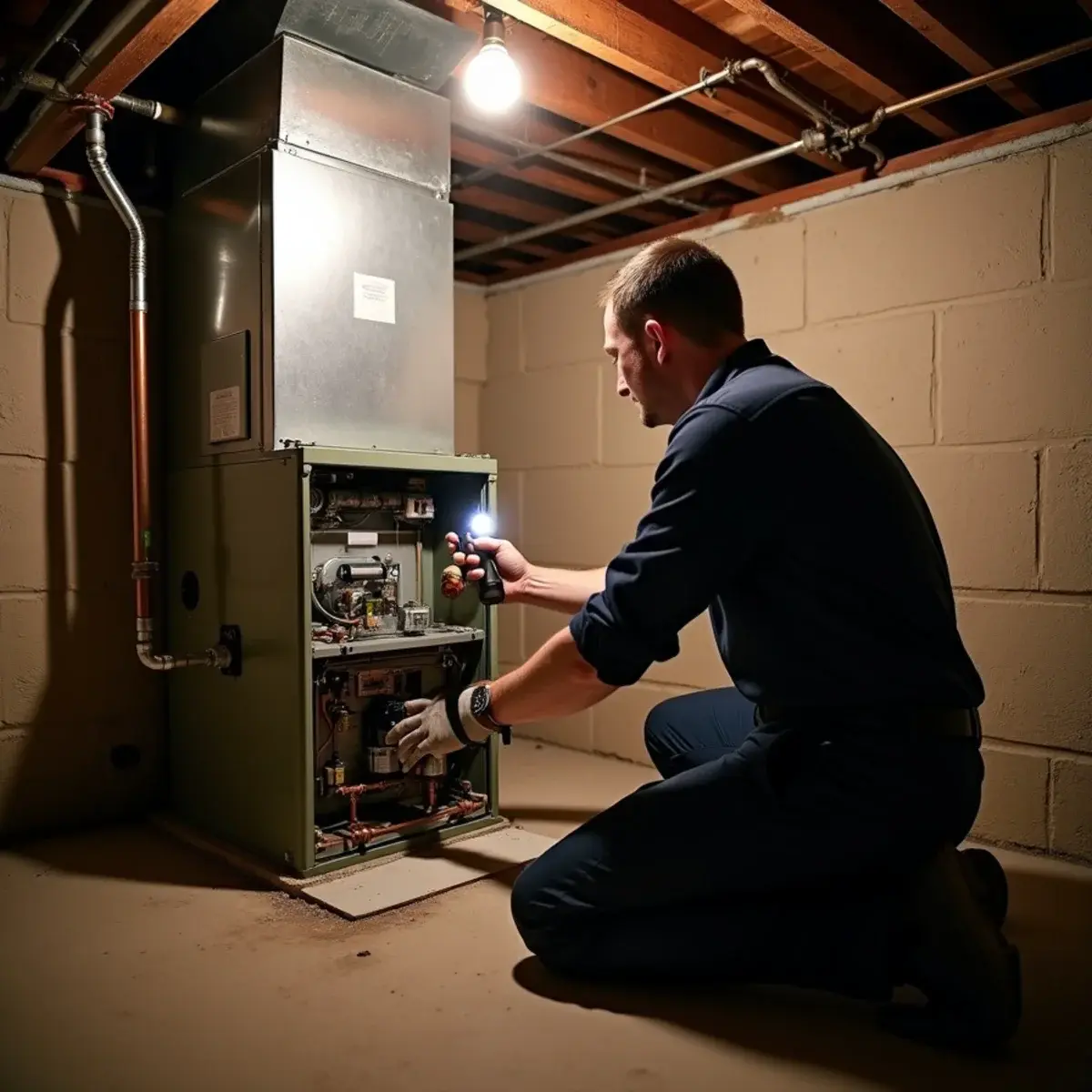
Emergency HVAC repair in Mount Joy, PA starts with one call to (321) 478-0693, answered by a person 24 hours a day, every day of the year. Tell us what failed and who is in the house; we send the nearest available local technician, explain any after-hours rate before dispatch, and get heat or cooling back safely, or explain what is safe until the part arrives.
What counts as a heating or cooling emergency
If the house is losing heat on a freezing night or turning dangerous in a heat wave, call (321) 478-0693 and a person will answer, whatever the hour. You do not have to decide alone whether your situation is an emergency. Tell us what is happening and we will talk it through with you.
As a rule of thumb, these situations should not wait for regular hours:
- No heat when the outdoor temperature is near or below freezing, especially with winter lows dipping under 20°F.
- No cooling during a heat wave when someone in the home is elderly, very young, pregnant or medically fragile.
- Any gas smell, or a carbon monoxide alarm that sounds (leave first, then call 911 from outside).
- Water pouring from a boiler, relief valve or air handler, or a burning electrical smell from the equipment.
- A furnace or boiler that keeps shutting down on its safety controls.
A heat pump running on backup heat, a single cold bedroom, or an AC that struggles on a mild evening can usually wait for a daytime visit. We will tell you honestly if we think it can.
No-heat emergencies: furnace, heat pump and boiler failures
Mount Joy's housing splits two ways, and so do its winter emergencies. The Main Street core and the Florin end of town hold the 24.6% of homes built before 1940, many heated by hot water or steam boilers, some still on oil. Florin Hill and the other post-2000 neighborhoods run on heat pumps and builder-grade gas furnaces now 15 to 25 years old.
Gas and propane furnaces
Typical overnight failures are a cracked hot surface igniter, a dirty flame sensor, a failed inducer motor or a pressure switch that will not close. The house goes cold fast once the blower stops. Our checklist on what to check when there is no heat covers the thermostat, filter and furnace switch before you call, and our furnace repair page explains the common fixes.
Heat pumps
When a heat pump's outdoor unit stops in a cold snap, the electric backup strips can usually keep the house livable. Switch the thermostat to emergency heat, keep the setpoint modest, and see our heat pump repair page for what to expect.
Boilers and oil burners
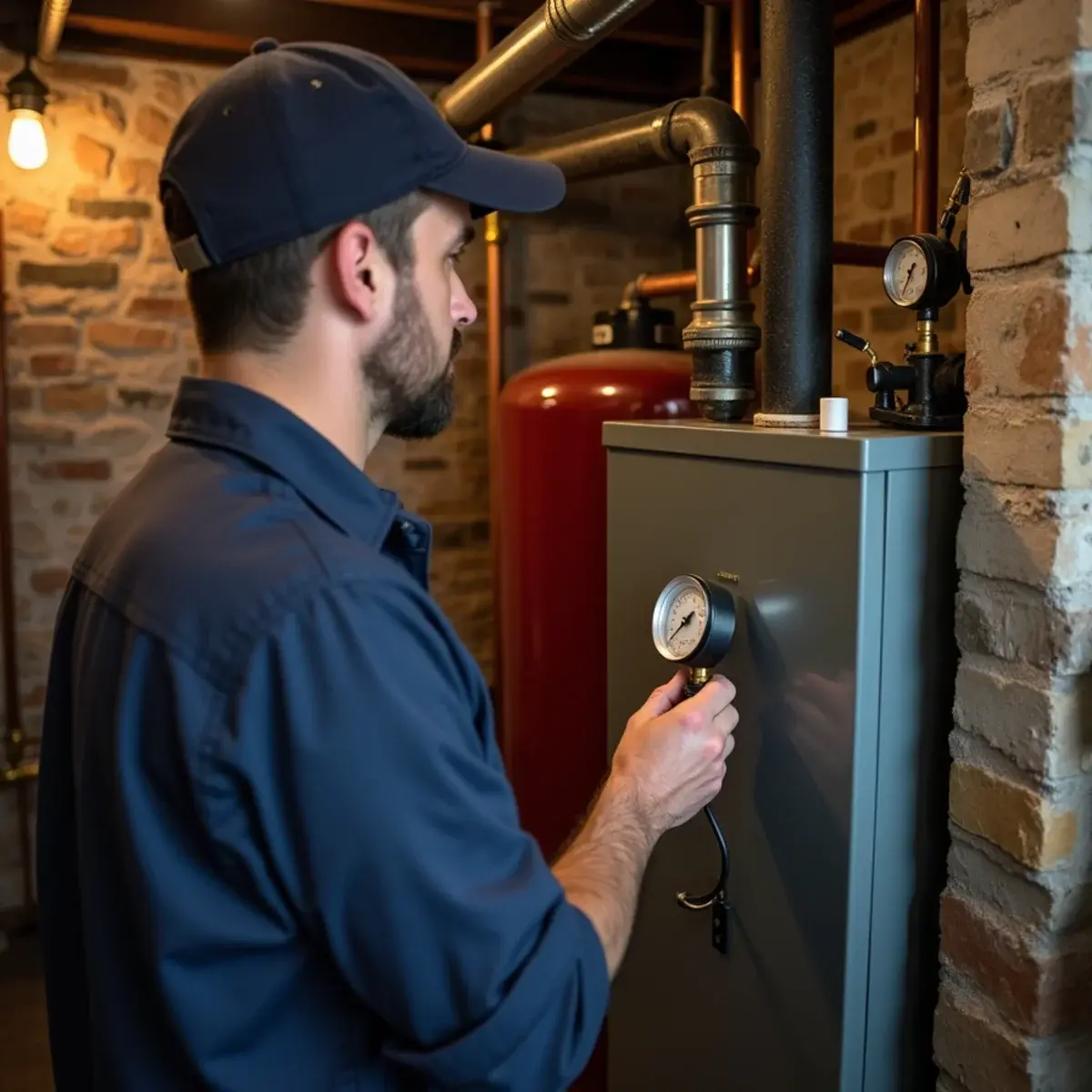
Cold radiators throughout the house usually trace back to the burner, a failed circulator or low water. If the oil burner has locked out, press its reset button once at most. Pressing it again can flood the chamber with oil. More on these systems is on our boiler and oil heat repair page.
No-cooling emergencies: heat waves, older residents, medical needs
Mount Joy summers are humid, with highs that can reach about 95°F, and a house with no air conditioning can stay hotter than outside well into the night. For most healthy adults that is miserable. For an older parent, an infant, or someone with heart or lung disease, it can be dangerous.
When you call, let us know if anyone in the home is older, very young, or has a medical condition affected by heat, or relies on powered equipment or medicine that must stay cool. It helps us understand the situation. While you wait:
- Move to the lowest, coolest room; in many Mount Joy homes that is the basement.
- Close blinds and curtains on the sunny side of the house.
- Drink water steadily and use fans to keep air moving.
- Consider staying with family or at an air-conditioned public place until cooling is restored.
- If anyone shows signs of heat illness, such as confusion, a racing pulse or hot, dry skin, call 911.
If ice has formed on the copper lines or the indoor coil, turn cooling off and set the fan to on so the coil can thaw before the technician arrives. Common causes are covered on our AC repair page.
Gas smell or carbon monoxide alarm: what to do before anything else
Leave first, then call
If you smell gas (a rotten-egg odor) or a carbon monoxide alarm sounds, get everyone out of the house now, including pets. Do not flip light switches, unplug anything, use the phone indoors or try to find the source. Once outside and away from the house, call 911, then UGI's gas emergency line, or your propane supplier if you heat with propane.
Do not go back in until the fire department or utility says it is safe. Carbon monoxide has no smell, and early symptoms such as headache, dizziness and nausea are easy to mistake for the flu, especially when everyone in the house feels them at once.
After responders clear the house, call us to have the furnace, boiler or water heater checked before it is used again. Cracked heat exchangers, blocked flues and backdrafting chimneys are common culprits in older homes. Read our guide to carbon monoxide warning signs from a furnace or boiler for more.
While you wait: protecting pipes, safe space heating, thermostat settings
A few simple steps protect the house and the people in it while help is on the way.
Protect your pipes
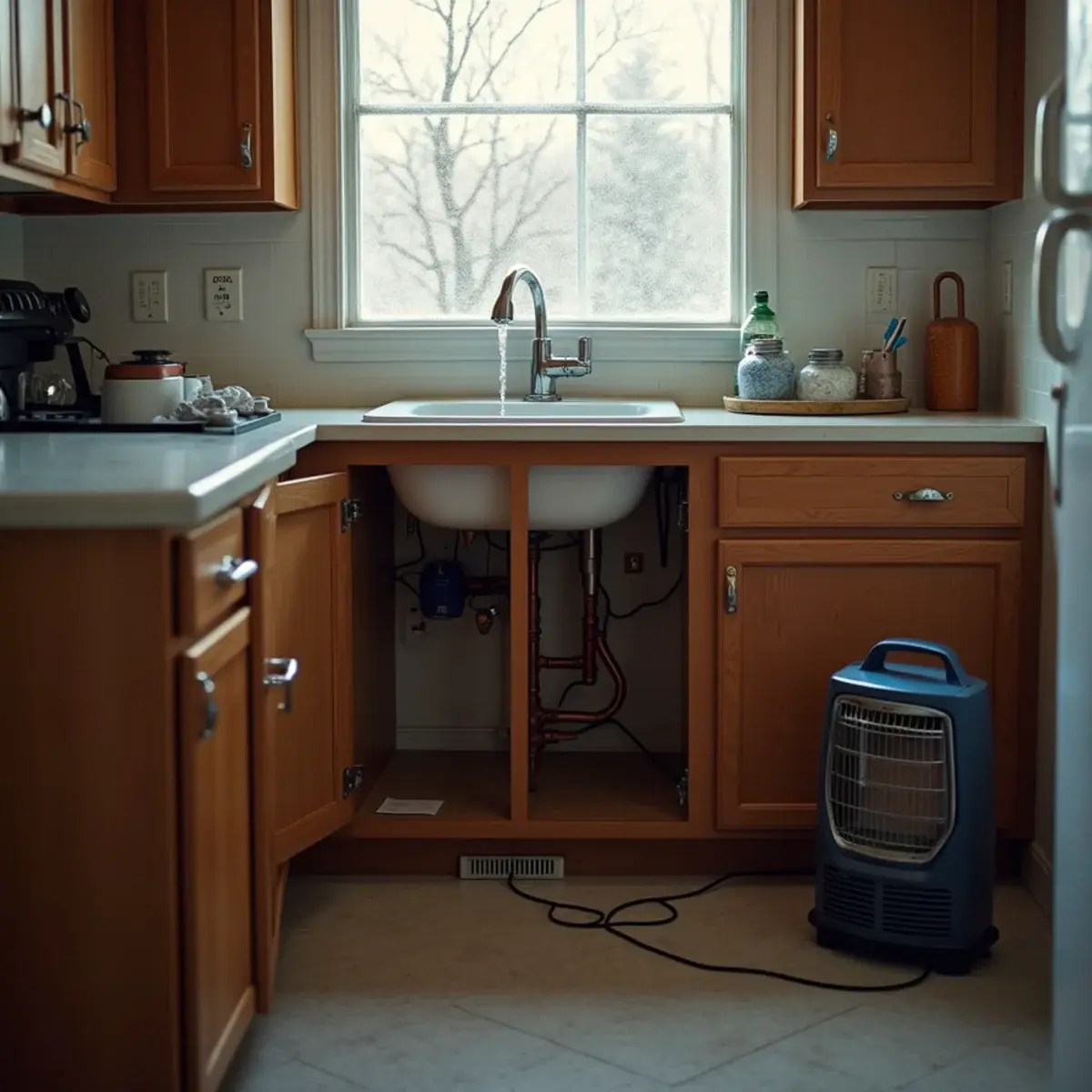
- Open the cabinet doors under kitchen and bathroom sinks on outside walls so room air reaches the pipes.
- Let faucets on outside walls drip a thin, steady stream of cold and hot water.
- Keep doors to interior rooms open so warmth spreads, and close the garage door.
- Know where the main water shutoff is in case a pipe does split.
Use space heaters safely
- Plug each heater directly into a wall outlet. Never use an extension cord or power strip.
- Keep at least 3 feet of clear space around it: beds, curtains, furniture, papers, people.
- Use heaters with tip-over and overheat shutoff, and turn them off when you sleep or leave the room.
- Never heat the house with an oven, stove, charcoal or gas grill, or a generator. All of them can fill the house with carbon monoxide.
Thermostat settings
Leave a furnace or boiler thermostat on heat at your normal setpoint so the technician can test the system right away. For a heat pump with a dead outdoor unit, use emergency heat. Do not keep resetting a breaker that trips.
How 24/7 dispatch works: live answer, nearest technician, price before work
- A person answers. Day or night, you talk to someone, not a voicemail box. Tell us the equipment, what it is doing and who is in the house.
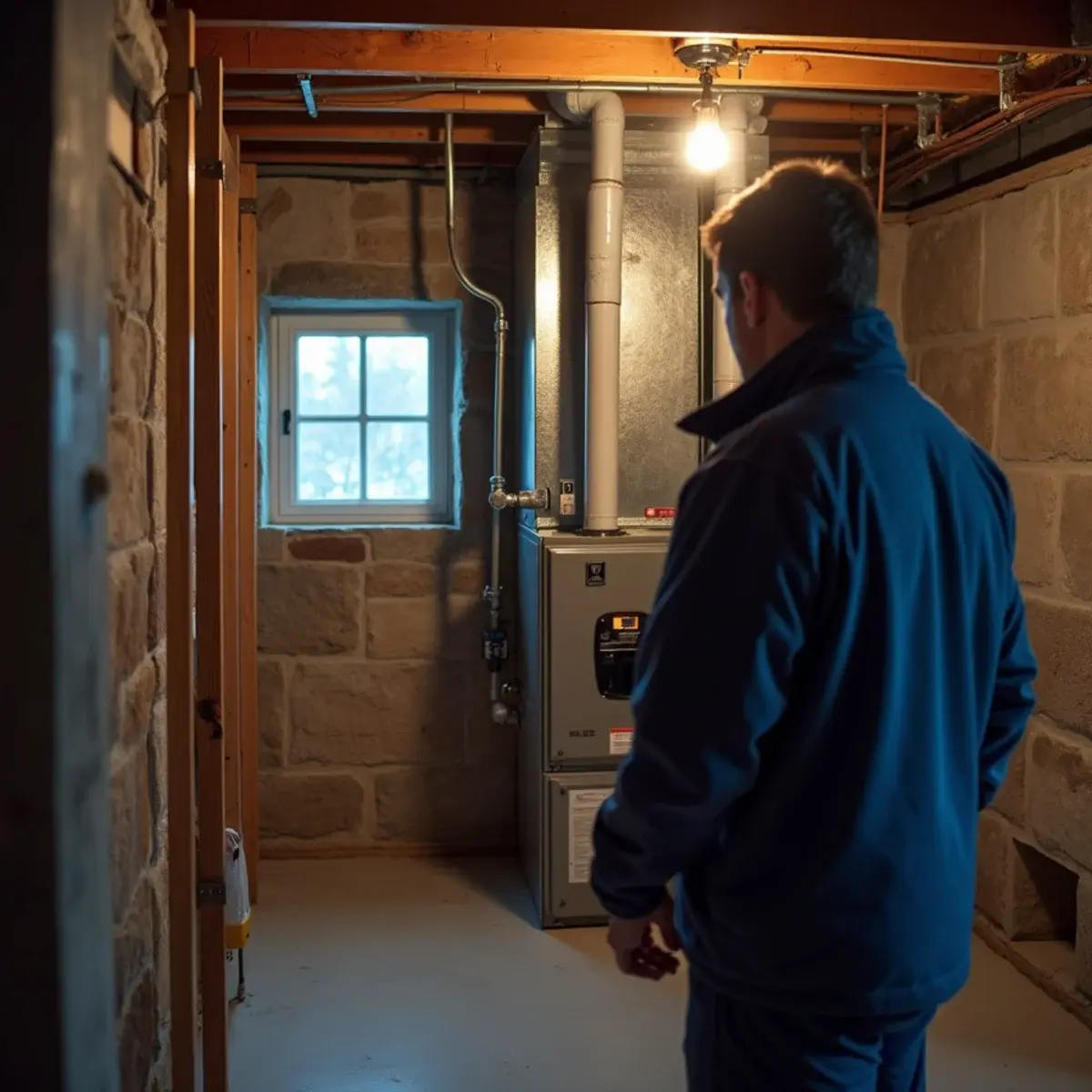
- We send the nearest available technician. We reach out to insured local HVAC technicians who handle that type of system and send the one best placed to reach you.
- You get an honest estimate on timing. It depends on the hour, the weather, how many calls are coming in and how far away you are. We tell you what we know.
- The price comes before the work. The technician diagnoses the problem and tells you the price before any repair starts.
We cover Mount Joy and towns within about 35 minutes. Elizabethtown and Manheim sit 12 to 18 minutes away, and Hershey 25 to 30 minutes, so calls from Elizabethtown, Manheim and Hershey are routine. See our full service area for every town we answer for.
Nights, weekends and holidays: how after-hours pricing works
Repairs done at night, on weekends or on holidays may carry an after-hours rate, because the technician is coming out when most shops are closed. You will never find that out on the invoice. The technician explains any after-hours charge along with the repair price before work starts, and you decide whether to go ahead.
Sometimes the honest answer is that a safe, partial fix tonight and a full repair on a weekday is the better value. A heat pump on emergency heat or a boiler running one zone may carry the house until morning, and the technician will lay out that option when it is safe.
If a frozen pipe burst or water damaged the house, take photos and keep every receipt. Whether insurance helps depends on the cause and your policy, which our article on whether homeowners insurance covers a broken furnace or AC explains.
What an emergency visit focuses on tonight
A night or weekend call has one goal: a safe house with heat or cooling restored, and a clear plan if the full repair has to wait.
- A carbon monoxide and gas check before any fuel-burning equipment is restarted
- The fastest safe fix that restores heat or cooling, when the part is on the truck
- A safe temporary setup when it is not: one stage running, a heat pump on emergency heat, or the boiler on one zone
- A check for frozen-pipe risk on outside walls and in crawlspaces, with what to do overnight
- The cause, the price and any after-hours rate explained before work starts
- A written plan for the return visit if a part has to be ordered, including what is safe to run meanwhile
- Clear shutdown instructions when equipment is unsafe, with the reason in plain language
Why Mount Joy households call us in an emergency
A person answers, not a recording
Every hour of every day, including Christmas morning and the night of an ice storm. The next step starts on that call.
Safety before speed
A gas smell or a carbon monoxide alarm goes to 911 first, and no technician restarts a furnace or boiler that is not safe to run.
Honest timing and pricing
You get a realistic estimate of when a technician can reach you, not a promise nobody can keep in a cold snap, and any after-hours rate before anyone is sent.
Every system in the area
Gas, oil and propane furnaces, heat pumps, steam and hot water boilers, central air and ductless. Insured technicians, licensed where Pennsylvania requires it.
Emergency HVAC Repair (24/7) questions from Mount Joy homeowners
Are you really available 24 hours a day?
Yes. A live person answers (321) 478-0693 around the clock, including nights, weekends and holidays. We take down what is happening, decide with you how urgent it is, and reach out to an insured local HVAC technician who can handle your system. Answering 24/7 is the promise. How soon someone can be at your door depends on conditions that night, and we tell you that honestly on the call.
How quickly can a technician arrive?
It depends on the time of night, the weather, how many calls are coming in and how far you are from the nearest available technician. During a January cold snap, every heating contractor in Lancaster County is busy. We do not promise an arrival time we cannot keep. Instead you get an honest estimate on the call, and we keep you posted if it changes.
Does emergency HVAC service cost more at night?
It can. After-hours rates may apply to repairs at night, on weekends and on holidays. You will know before any work starts: the technician diagnoses the problem and gives you the price, including any after-hours charge, and you decide whether to go ahead. If the system can safely wait until morning, the technician will say so.
What should I do if I smell gas or my carbon monoxide alarm goes off?
Get everyone out of the house right away, without flipping switches or using the phone inside. From outside, call 911, then UGI's gas emergency line or your propane supplier. Stay out until responders say it is safe. Once the house is cleared, call (321) 478-0693 so a technician can inspect the furnace, boiler or water heater before it runs again.
Is a burning smell normal when the furnace first turns on?
A faint dusty smell for the first few minutes of the season's first cycle is normal: dust is burning off the heat exchanger. A smell that lasts, an electrical or melting-plastic smell, or a rotten-egg gas smell is not. For gas, leave the house and call 911 from outside. For a lasting burning or electrical smell, shut the furnace off at the switch and call (321) 478-0693.
Can you get the heat back on tonight if a part has to be ordered?
Often there is a safe temporary option: a heat pump running on emergency heat, a furnace on one stage, or a boiler heating the zones that still work. When nothing is safe to run, the technician explains how to protect pipes and use space heaters safely until the part arrives. You get the plan and the price for the return visit before the technician leaves.
Emergency HVAC Repair (24/7) in Mount Joy and nearby towns
Emergency calls are answered 24/7 for the whole service area. Mount Joy, Florin and the nearby townships are the shortest trips, with Elizabethtown and Manheim close behind and Columbia and Hershey a little farther. For Palmyra and Ephrata at the edge of the ring, the line is answered 24/7 and you get an honest timing estimate on the call. See the service areas page.
Related HVAC services
Furnace Repair
Gas, oil or propane, a furnace that will not light or keeps blowing cold air gets a real diagnosis: igniter, flame sensor, inducer, oil burner or controls. A local technician explains the fault, gives the price before work starts, and checks for carbon monoxide risk before the heat goes back on.
Furnace Repair in Mount JoyHeat Pump Repair and Replacement
Iced-over outdoor unit, cool air at the vents or a thermostat stuck on aux heat? We send a local technician to diagnose defrost boards, reversing valves, capacitors and refrigerant leaks, then price the fix before work starts. For Florin Hill-era units near 20 years old, we lay out cold-climate and dual fuel replacement options.
Heat Pump Repair in Mount JoyBoiler Repair and Oil Heat Service
Hot water and steam boiler repair for Mount Joy's older homes: cold radiators, leaks, banging pipes, failed circulators and stuck zone valves. Annual oil burner service with a new nozzle, filter and combustion test, plus straight advice on when a tired boiler should be repaired, replaced or converted. Calls answered 24/7.
Boiler Repair in Mount JoyGuides for this problem
6 min read
No Heat in the House? What to Check Before You Call for Furnace Repair
Before you call about a cold house, check the thermostat, the furnace switch and breaker, the filter, the fuel supply and the blinking status light. Here is the order to work through, and when to stop.
6 min read
Carbon Monoxide and Your Furnace or Boiler: Warning Signs and What to Do
Carbon monoxide from a furnace, boiler or blocked chimney gives few clues before people feel sick. Learn the sources, the symptoms, where CO alarms belong and exactly what to do when one sounds.
5 min read
Does Homeowners Insurance Cover a Broken Furnace or AC in Pennsylvania?
A furnace that wears out is usually your cost, not your insurer's. A lightning strike, fire or sudden leak can change that. Here is how coverage typically works in Pennsylvania and what to document before you file.