The short answer
When an AC is running but not cooling on a humid day, the usual causes are a clogged filter, a frozen evaporator coil, low refrigerant from a leak, a failed capacitor or contactor, a dirty outdoor coil, a clogged condensate drain, or a system that is the wrong size. Start with the filter and thermostat.
When an AC runs but does not cool, the cause is usually one of seven things: a clogged filter, a frozen evaporator coil, low refrigerant from a leak, a failed capacitor or contactor at the outdoor unit, a dirty condenser coil, a condensate float switch that has shut the compressor off, or a system that is the wrong size or losing air through leaky ducts. Check the thermostat and filter yourself; most of the rest needs a technician.
Why humid days expose a weak air conditioner
An air conditioner does two jobs at once: it lowers the temperature and it pulls water out of the air across the cold evaporator coil. On a dry 85°F day a struggling system can still fake its way through. On a humid July afternoon in Lancaster County, with temperatures pushing toward 95°F and dew points in the 70s, most of its capacity goes into moisture removal. Any weakness shows up as a house that feels clammy before the thermostat even notices.
A useful clue is the air at a supply register. A healthy system usually delivers air roughly 15 to 20°F cooler than the air going into the return. If the register air feels barely cool, or the indoor temperature climbs all afternoon while the system never stops, something below is likely the reason.
Quick checks before you call
- Confirm the thermostat is set to Cool, the setpoint is below room temperature and the fan is on Auto. A fan left on On blows moisture back off the wet coil between cycles.
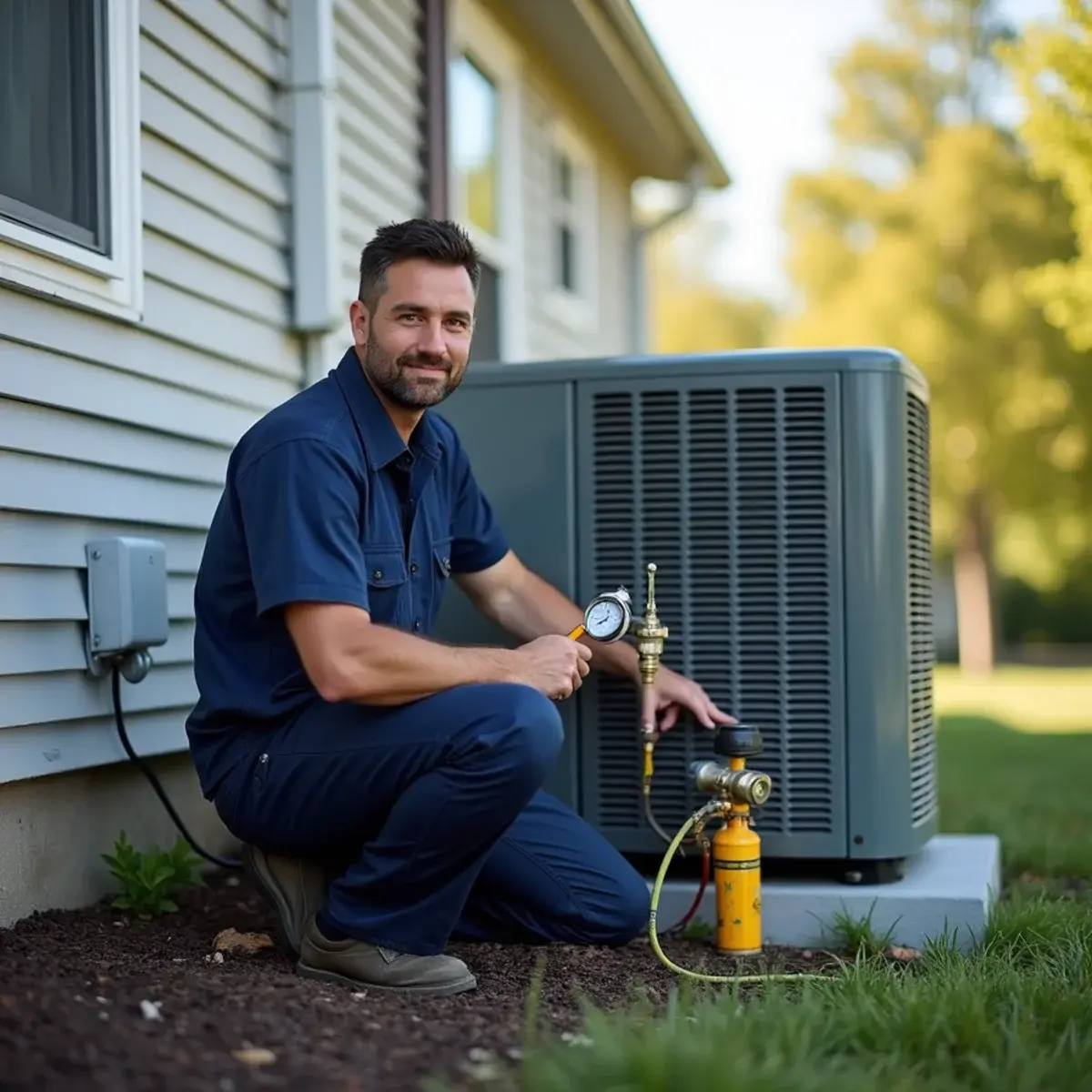
- Look at the outdoor unit. If the indoor blower runs but the outdoor fan is still, the problem is outside.
- Check the breaker for the outdoor unit. If it has tripped, you can reset it once. If it trips again, leave it off and call.
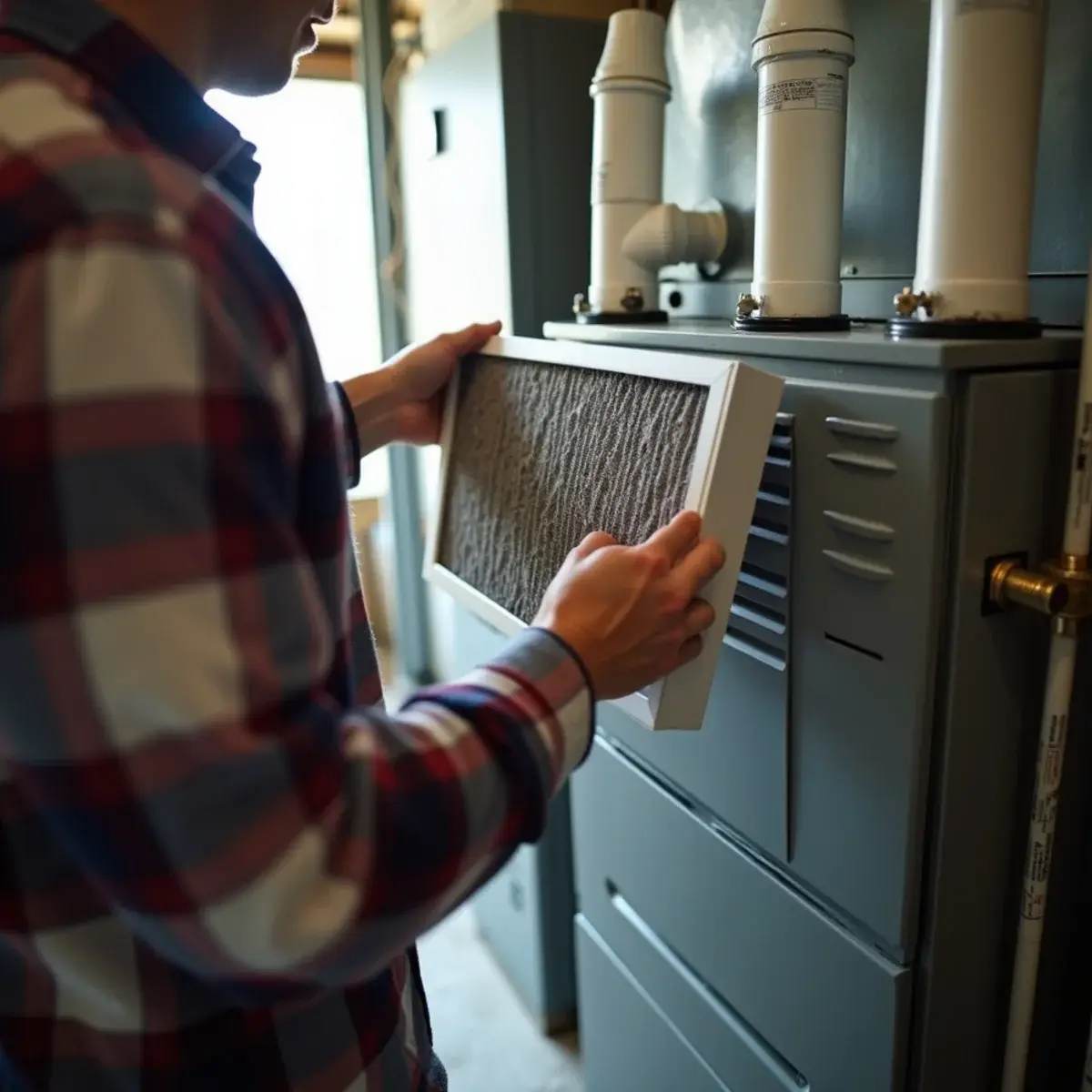
- Pull the air filter and hold it up to a light.
The 7 most common causes
1. A clogged air filter
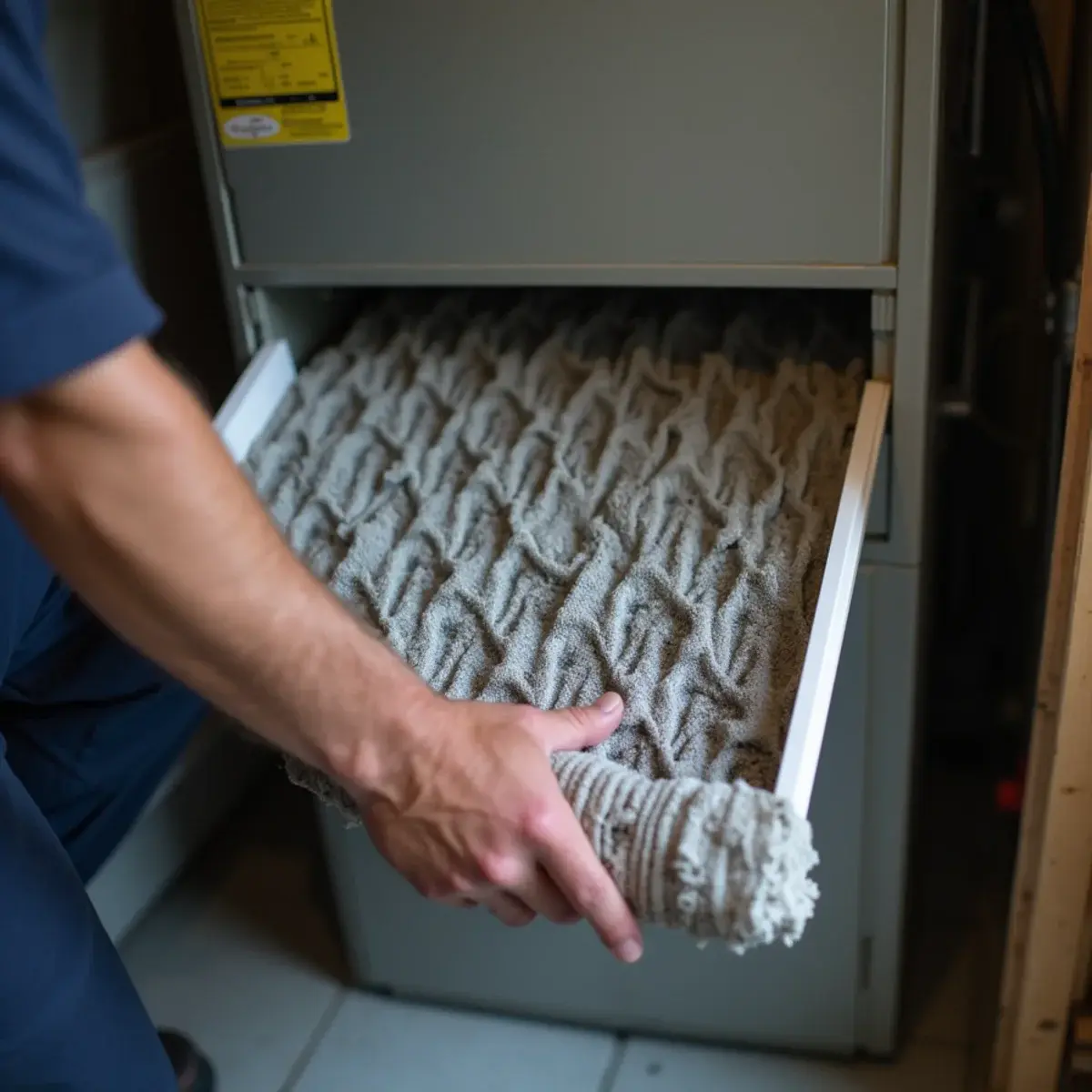
This is the cheapest fix and the one people skip. A filter packed with pollen, pet hair and spring dust starves the evaporator coil of airflow, so cooling drops and the coil may start to freeze. Replace it, give the system an hour and see if the supply air improves.
2. A frozen evaporator coil
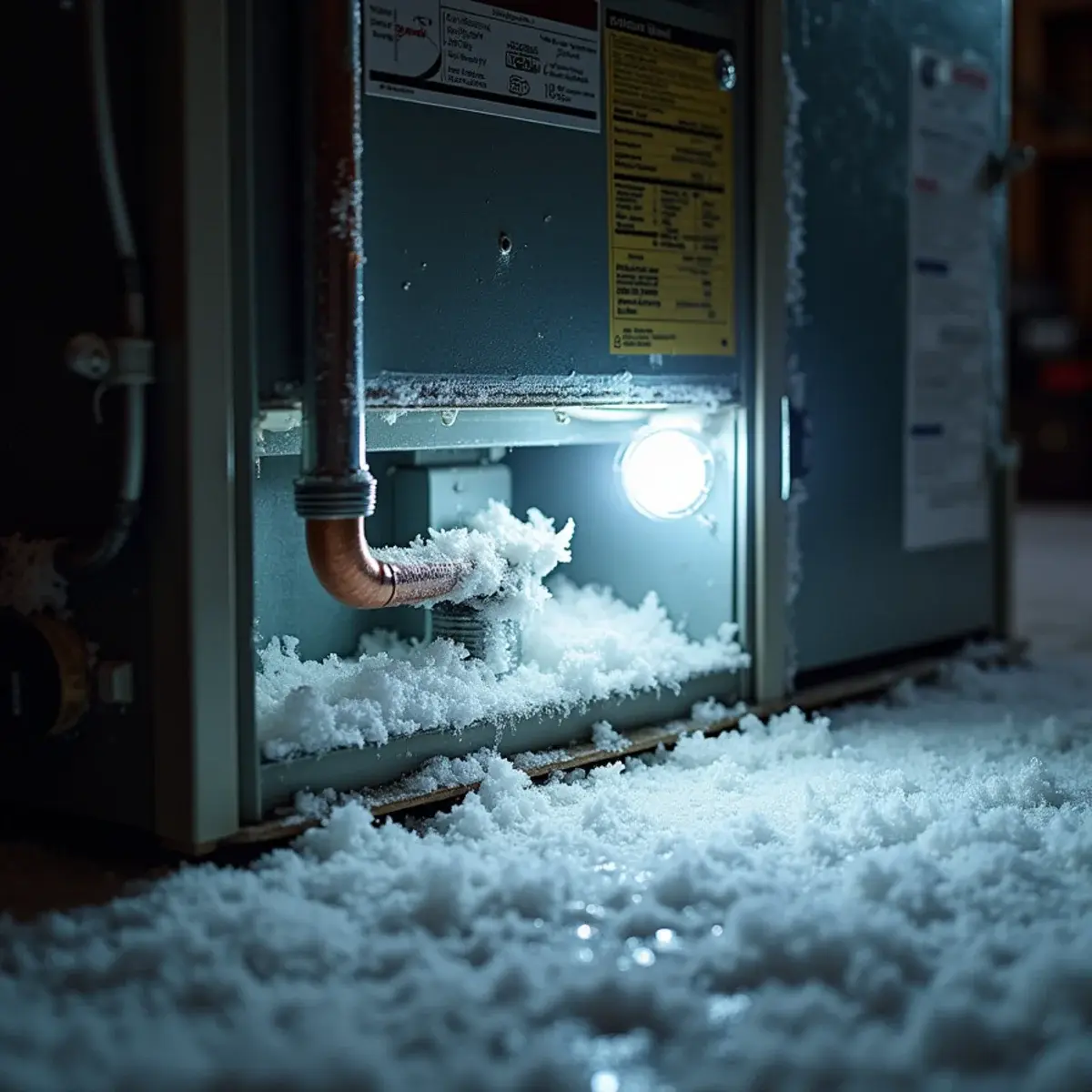
Ice on the copper line at the outdoor unit, frost on the indoor coil or water pooling around the air handler as it melts all point to a frozen coil. Set the thermostat to Off and the fan to On for a few hours so it thaws, and keep an eye on the drain pan. Restarting it frozen can damage the compressor. If it freezes again after a fresh filter, the real cause is usually low refrigerant or a blower problem.
3. Low refrigerant from a leak
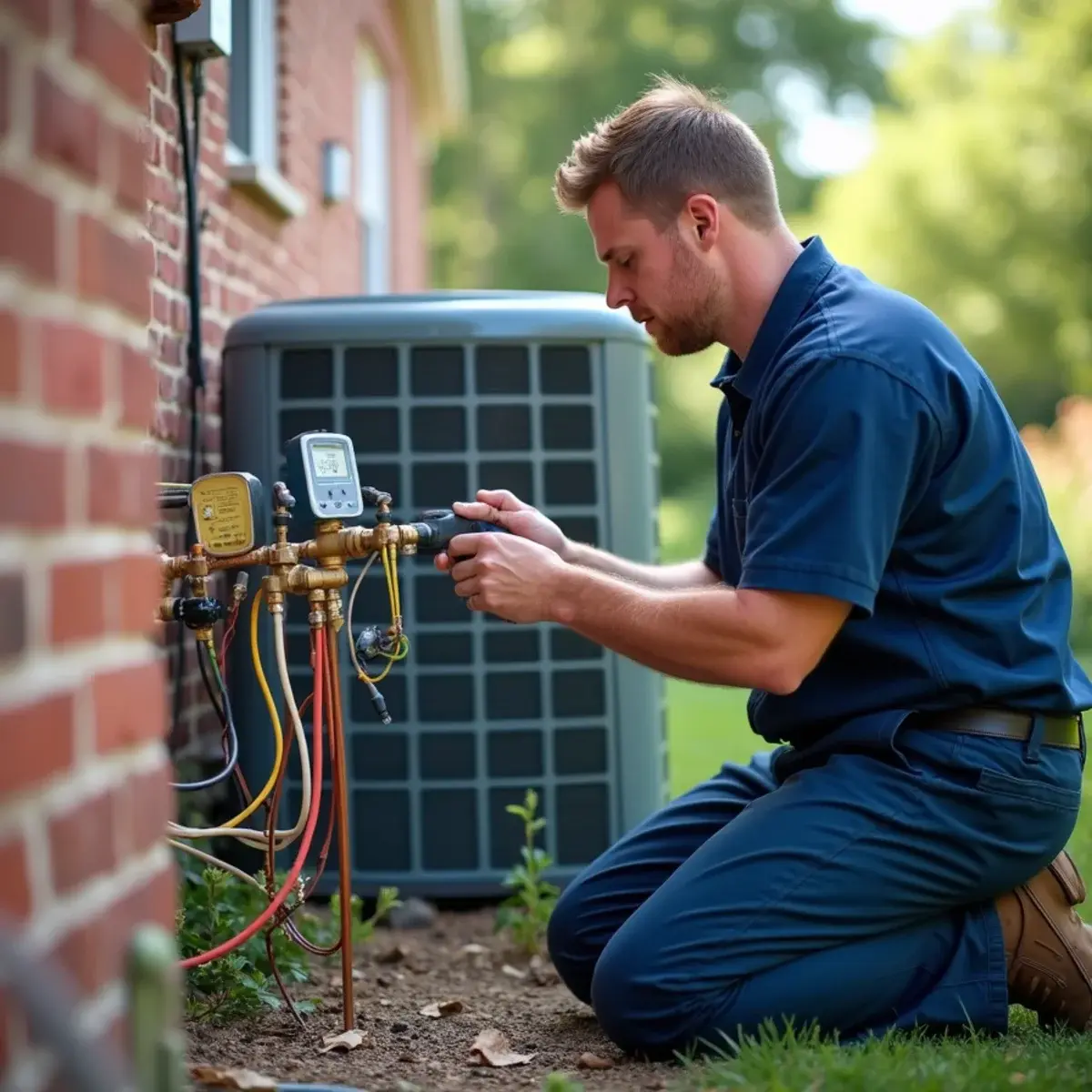
Refrigerant is not used up like fuel; if it is low, it is leaking somewhere, often at the evaporator coil or a flare fitting. Only a technician with EPA Section 608 certification may handle refrigerant, and a good one finds and fixes the leak instead of just topping it off. Older systems running on R-22 can turn this into a repair-or-replace decision, which our guide on whether to repair or replace an aging system covers.
4. A failed capacitor or contactor
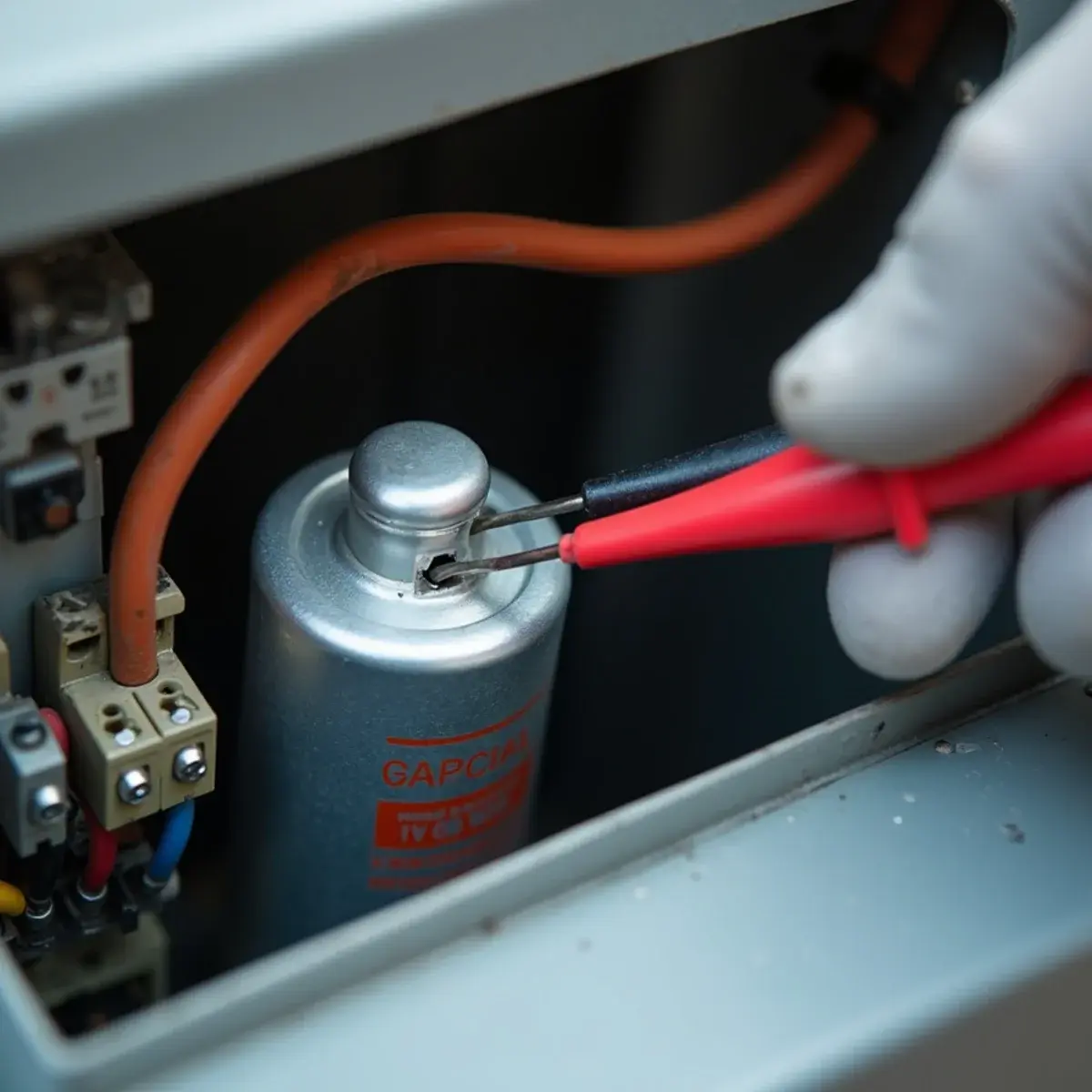
The capacitor gives the compressor and outdoor fan motor the jolt they need to start. When it weakens, often after a run of hot days, the outdoor unit may hum without starting or the fan may sit still. The contactor is the switch that powers the outdoor unit; its contacts pit and burn, and ants love to nest in it. Both are common, fairly quick repairs, but capacitors hold a dangerous charge even with the power off, so leave the panel closed.
5. A dirty condenser coil
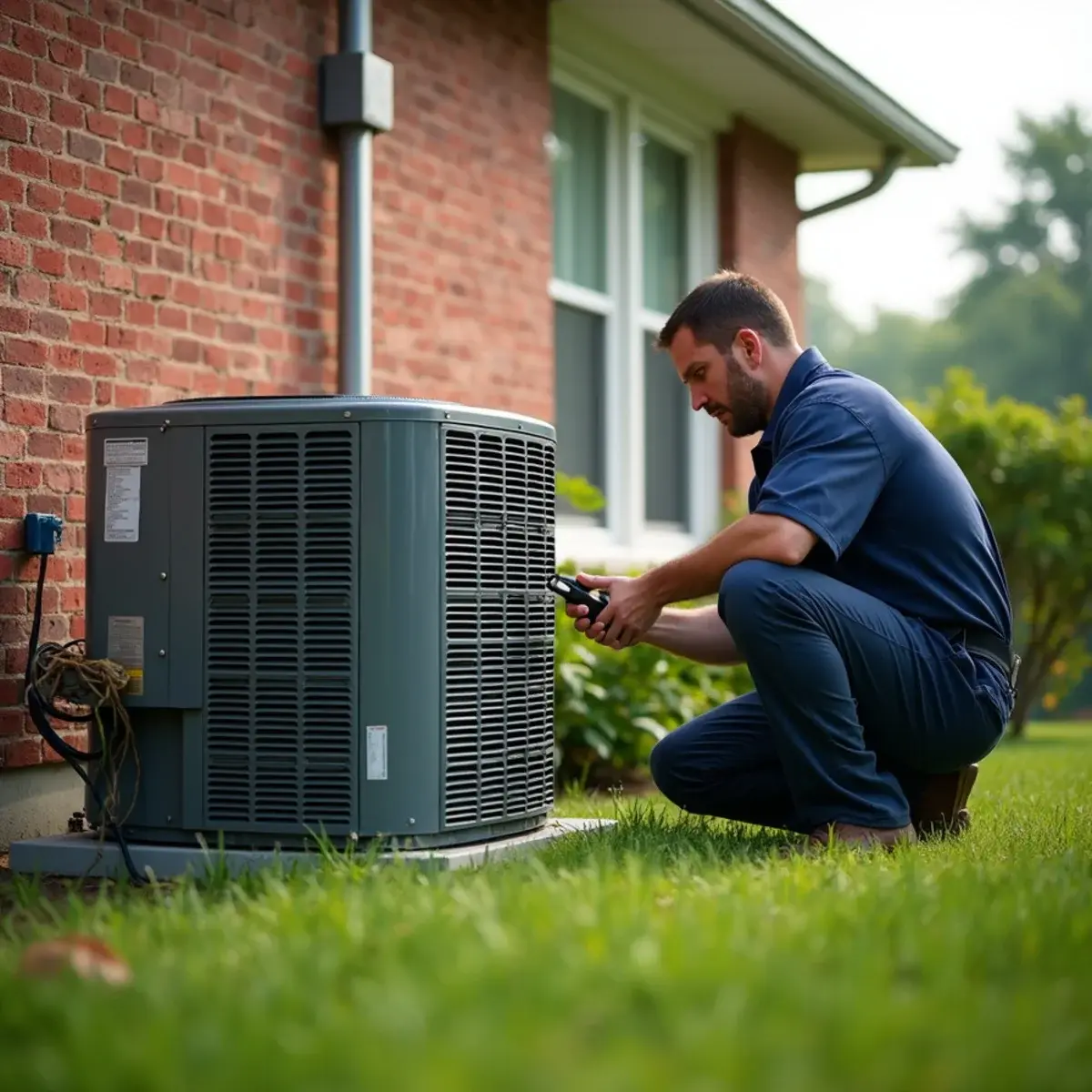
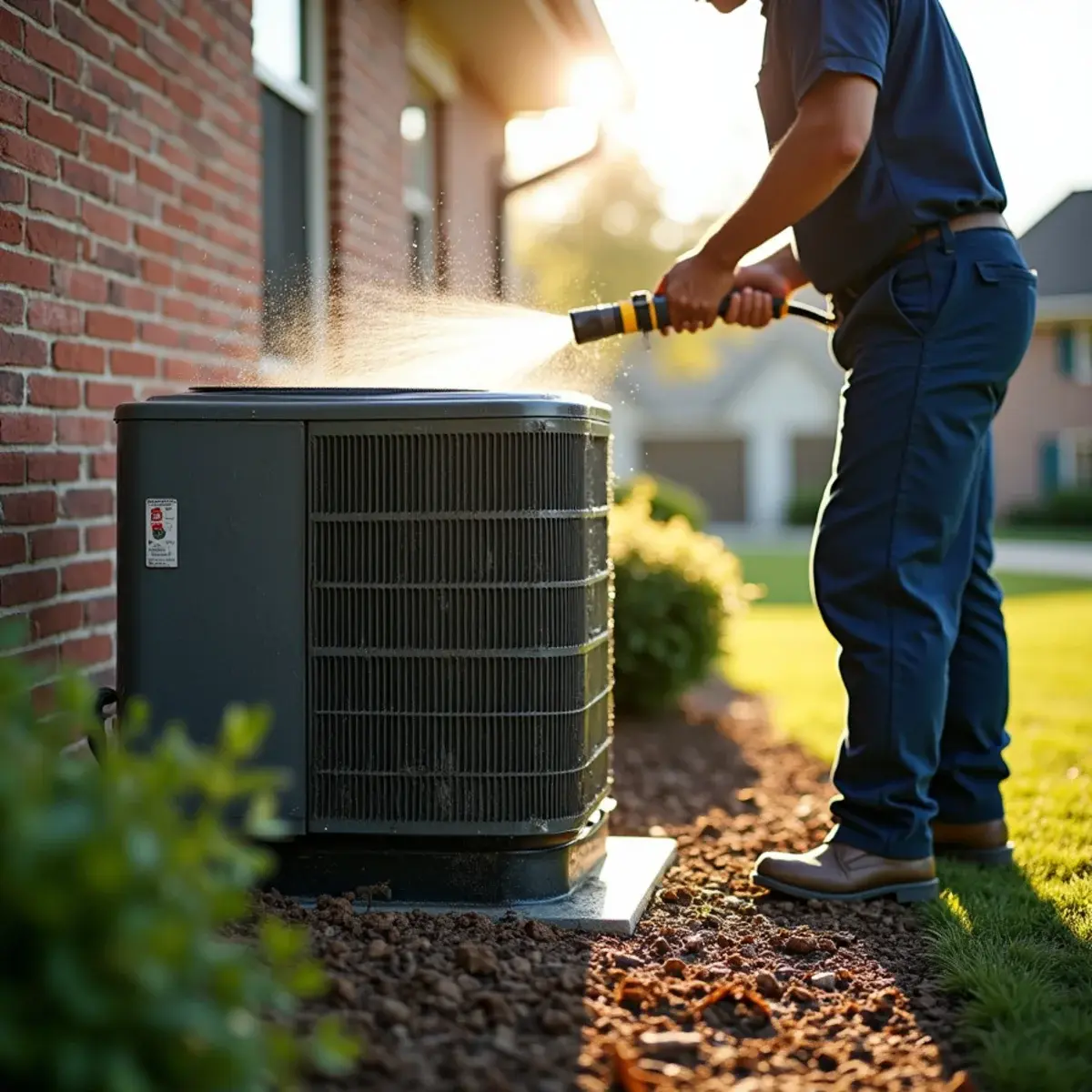
The outdoor coil sheds the heat removed from your house. Cottonwood fluff, grass clippings and dryer lint can mat over the fins and trap that heat, so pressures rise and cooling falls off on the hottest afternoons. You can clear loose debris from the outside of the unit and trim plants back two feet. A proper coil cleaning is a technician job.
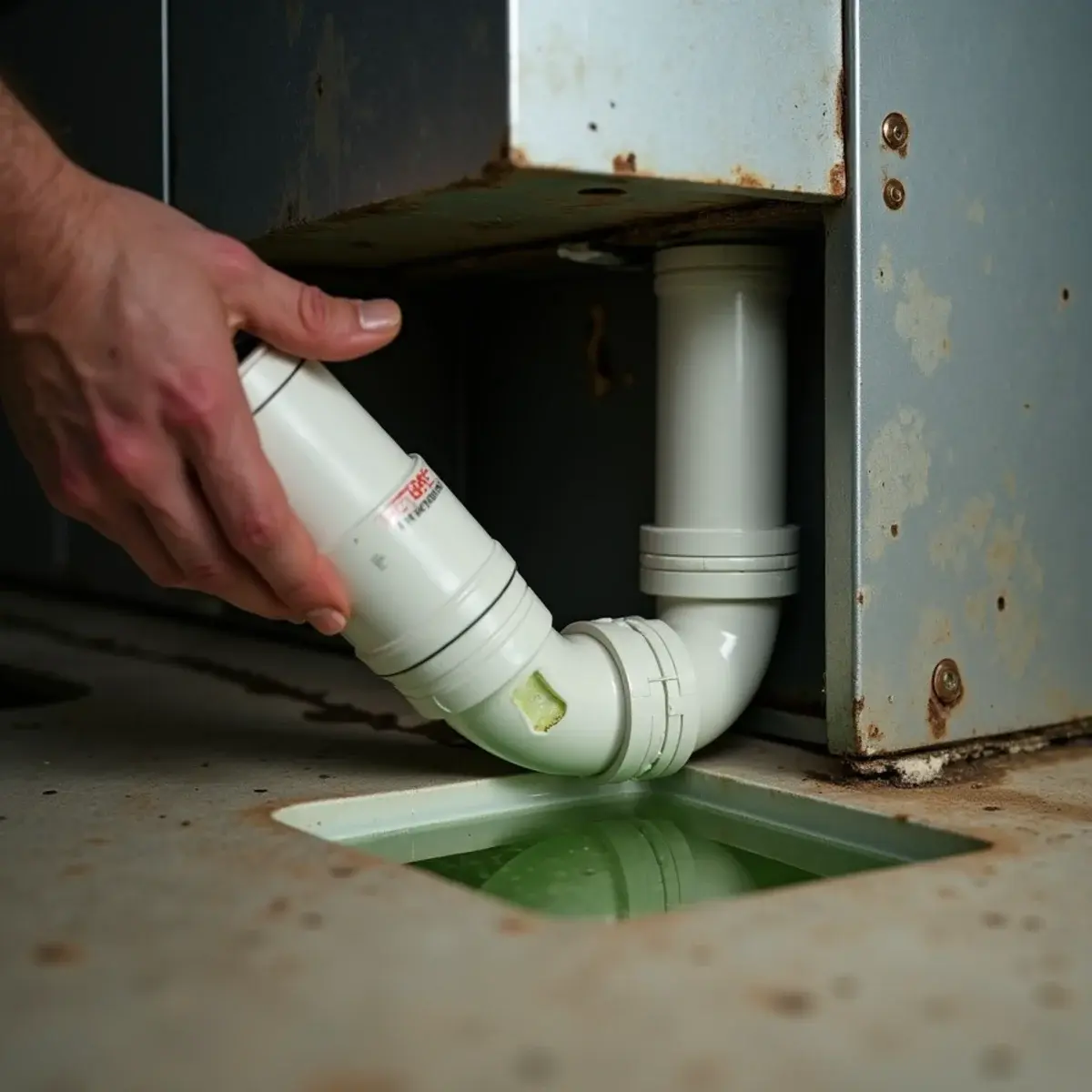
6. A clogged condensate drain and tripped float switch
Humid weather means gallons of water draining from the coil each day. Algae and sludge can clog the condensate line, and a float switch in the pan or drain then shuts the system down to prevent a flood. Some switches stop only the outdoor unit, so the blower keeps running while nothing cools. Our article on water around a furnace or AC explains condensate traps, pumps and float switches in more detail.
7. Wrong system size or leaky ducts
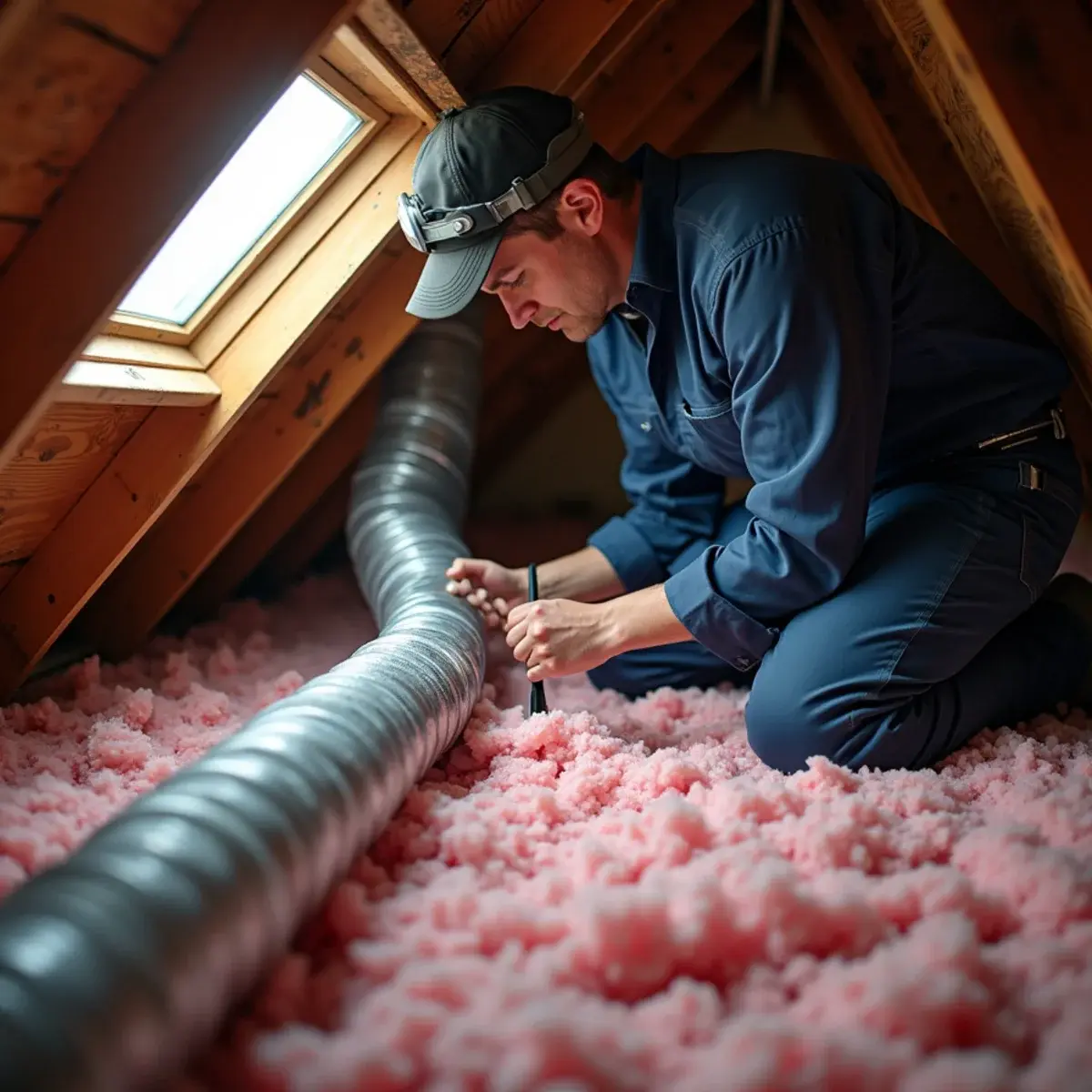
An oversized AC cools the air fast, shuts off and never runs long enough to dry the house, so it feels cold and damp at once. An undersized one runs all day and still falls behind on the hottest afternoons. Ducts in an attic or crawl space that leak or come apart dump cooled air where nobody lives. Our post on Manual J load calculations explains how proper sizing is worked out.
Safe checks only
Do not open the outdoor unit's electrical panel, touch the capacitor, add refrigerant or bypass a float switch to get the AC running again. A float switch that keeps tripping is protecting your ceiling from water damage.
Heat pumps in summer: same symptoms, a few extra parts
In many Florin Hill homes and newer townhomes, the outdoor unit is a heat pump that cools in summer. Everything above applies, plus one extra suspect: a reversing valve stuck partway, which can leave the system blowing lukewarm air. Our heat pump repair page covers reversing valves and other heat pump faults.
From the service calls
Measure the temperature split before you call
A cheap probe thermometer gives you the same first number a technician checks, and it makes the phone call more useful.
- Let the AC run for at least 15 minutes with the thermostat set well below room temperature.
- Hold the thermometer in the return grille, where air goes back to the system, and note the reading.
- Hold it in the supply register closest to the indoor unit and note that reading.
- Subtract: return minus supply is the temperature split.
On a typical day a healthy central air system shows roughly 16 to 22°F. On a sticky July afternoon in Lancaster County, expect the lower end, because more of the system's work goes into pulling water out of the air instead of dropping the temperature. A split under about 10°F points to low refrigerant, a weak compressor, a failed capacitor or very low airflow. A split well above the range usually means restricted airflow from a clogged filter or an icing coil.
Treat it as a screening check, not a diagnosis. Tell the person who answers what you measured, and the technician on an AC repair visit will confirm it with pressures and electrical readings.
When to call for AC help
Call if the filter and thermostat check out but the house is still warm, if the coil keeps freezing, if the outdoor unit hums without starting or if the system shuts off on a full drain pan. Older residents and anyone with a medical condition should not ride out a humid heat wave without cooling. Our AC repair page describes what a repair visit includes. We cover homes from the Derry Township neighborhoods on our Hershey service page to the borough and township homes on our Ephrata service page. Call (321) 478-0693; calls are answered 24/7, and you get the price before work starts.
Quick answers
Is it bad to keep running an AC that is not cooling?
Yes, in most cases. If the coil is freezing, the compressor can pull liquid refrigerant and fail. If a capacitor is weak, the compressor strains every time it tries to start. Turn the system off at the thermostat, run the fan only if a frozen coil needs to thaw, and have it checked.
Why does my house feel humid even though the AC is running?
Usually the system is not removing enough moisture. Common reasons are an oversized unit that runs in short bursts, a fan left in the On position, a low refrigerant charge or airflow problems at the coil. A whole-house dehumidifier can help in some homes, but fixing the cause comes first.
How often should an AC be serviced in Lancaster County?
Once a year, ideally in spring before the first humid stretch. A spring visit cleans the condenser coil, checks refrigerant pressures, tests the capacitor and contactor, and clears the condensate drain, which catches most of the causes in this article before a July heat wave puts them to the test.
Services mentioned in this guide
AC Repair
Warm air from the vents, a humming outdoor unit or ice on the copper line? We send a local technician to find the real fault, from a weak capacitor to a refrigerant leak, and give you the price before any work starts. Central air, heat pumps and ductless systems across Mount Joy.
AC Repair in Mount JoyHeat Pump Repair and Replacement
Iced-over outdoor unit, cool air at the vents or a thermostat stuck on aux heat? We send a local technician to diagnose defrost boards, reversing valves, capacitors and refrigerant leaks, then price the fix before work starts. For Florin Hill-era units near 20 years old, we lay out cold-climate and dual fuel replacement options.
Heat Pump Repair in Mount Joy