The short answer
Homeowners insurance usually does not cover a furnace or AC that simply wears out or breaks down. It may cover damage from a sudden covered event, such as fire, a lightning-caused power surge, a fallen tree, theft or vandalism, minus your deductible. Policies differ, so check yours and ask your agent before repairs start.
Usually not, if the furnace or air conditioner simply wore out. Most Pennsylvania homeowners policies exclude wear and tear, mechanical breakdown and lack of maintenance. Coverage can apply when a covered peril such as fire, lightning or, on some policies, a power surge damaged the equipment, or when a sudden, accidental leak damaged the house. Your policy wording and your insurer decide. This is general information, not legal advice, so read your own policy or ask your agent.
What a homeowners policy is built to pay for
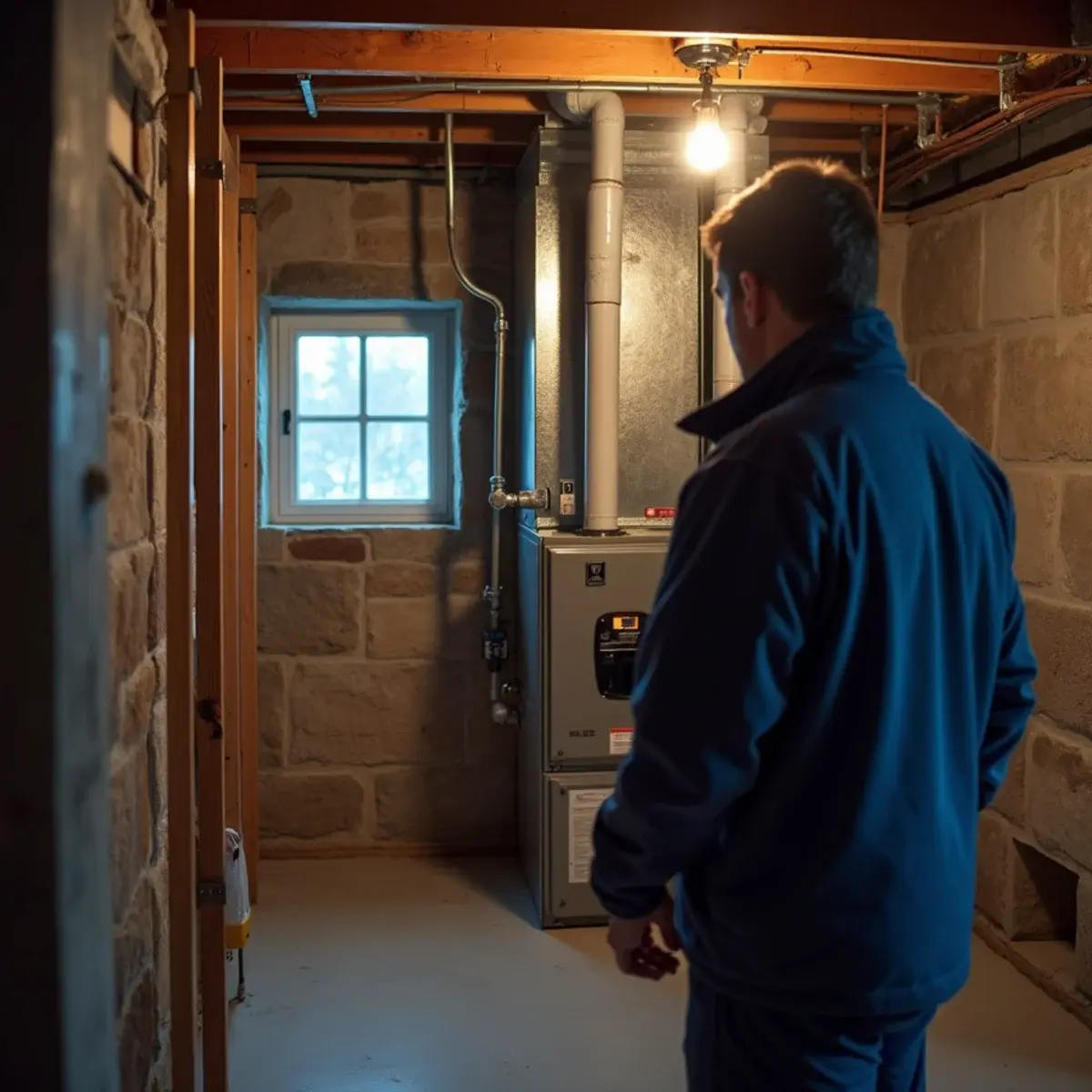
A standard policy protects the house against sudden events: fire, wind, hail, lightning, a tree falling on the roof, theft and vandalism. Your furnace, boiler, ductwork and outdoor condenser are treated as part of the dwelling, so they are covered for those same events. What the policy is not built to do is replace equipment that reached the end of its life, the way it would not pay for an aging roof.
That distinction matters in Mount Joy, where about a quarter of homes were built after 2000 and their original heat pumps and gas furnaces are now 15 to 25 years old. When one of those systems fails, an adjuster will usually see age, not an accident.
Common HVAC situations and how they tend to be treated
| What happened | Usually | Why |
|---|---|---|
| Compressor fails on a 17-year-old AC | Not covered | Mechanical breakdown and wear |
| Cracked heat exchanger found at a tune-up | Not covered | Gradual deterioration |
| Lightning strike fries the control board | May be covered | Lightning is a common named peril |
| Power surge after a storm damages the condenser | Depends on policy | Some policies limit or exclude surge |
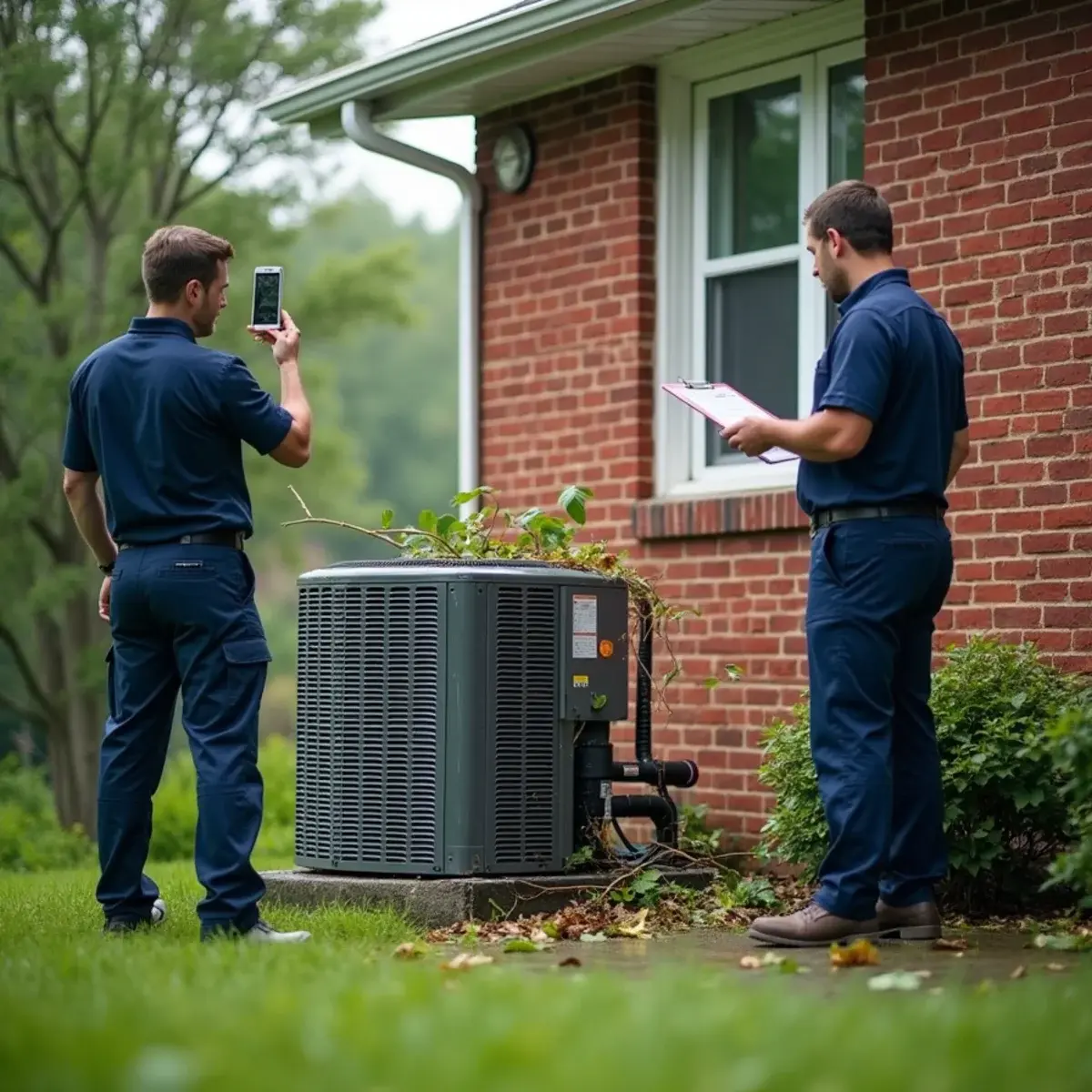
| Tree limb crushes the outdoor unit | May be covered | Falling object damage |
| Condenser stolen for its copper | May be covered | Theft |
| Sudden overflow stains the ceiling below | Damage may be covered, drain repair usually not | Sudden water damage vs. the failed part |
| Slow leak rots the subfloor over months | Often excluded | Long-term seepage |
Water is where claims get confusing. A policy may pay to repair the stained ceiling and wet drywall from a sudden condensate overflow while excluding the clogged drain or failed pump that caused it. If you are dealing with a leak right now, our guide to water around your furnace or AC explains the drain parts involved. Flood is a separate matter: rising water from outside is normally excluded and needs a flood policy, which homeowners near the Susquehanna in Columbia and Marietta should look into.
Frozen pipes when the heat goes out
When a furnace or boiler quits during a cold snap with lows below 20°F, the bigger risk is often frozen pipes. Many policies cover sudden pipe bursts, but they commonly expect the owner to take reasonable care to keep heat on, especially in a vacant home or a rental between tenants. Call for furnace repair as soon as the heat stops, and write down when you noticed it and what you did.
Equipment breakdown endorsements
Some insurers sell an equipment breakdown endorsement, a rider that adds coverage for mechanical or electrical failure of home systems, including furnaces, boilers, heat pumps and central air. It usually carries its own deductible and limits. It is not on every policy and not every carrier offers it, so ask your agent whether you have it, what it excludes, and whether it requires proof of maintenance.
Home warranties are a different product
A home warranty is a service contract, not insurance. It is aimed at the wear-and-tear repairs insurance excludes, but it comes with its own limits, service fees, exclusions for pre-existing conditions or missed maintenance, and rules about who does the work. Most warranty companies assign the contractor, so call the warranty company first if you have one. If you call someone else first, the claim may be denied.
Questions to ask your agent before anything breaks
The best time to learn what your policy says is a mild October afternoon, not a January night with the house at 50°F. A short call to your agent can answer most of it:
- Is my policy written on a named-perils or open-perils basis for the dwelling?
- Does it cover power surge damage to the furnace, heat pump or AC, and is there a sub-limit?
- How does it treat sudden water damage from HVAC equipment versus the failed part itself?
- Do I have an equipment breakdown endorsement, and what would it cost to add one?
- Are there conditions about keeping heat on if the house sits empty for a while?
What to document before anything is repaired
- Photograph the equipment, its model and serial plate, any error code, and every bit of damage before cleanup.
- Write down the date and time you noticed the problem and what happened right before: a storm, an outage, a cold night.
- Ask the technician for a written diagnosis that states what failed and, where it can be determined, why.
- Keep failed parts the technician removes, if the insurer may want to see them.
- Save receipts for emergency steps such as water extraction, space heaters or temporary repairs.
- Pull your maintenance records. Tune-up invoices help show the system was cared for.
- Call your insurer before approving a non-emergency replacement, and ask whether an adjuster needs to see the equipment first.
The technician documents, the insurer decides
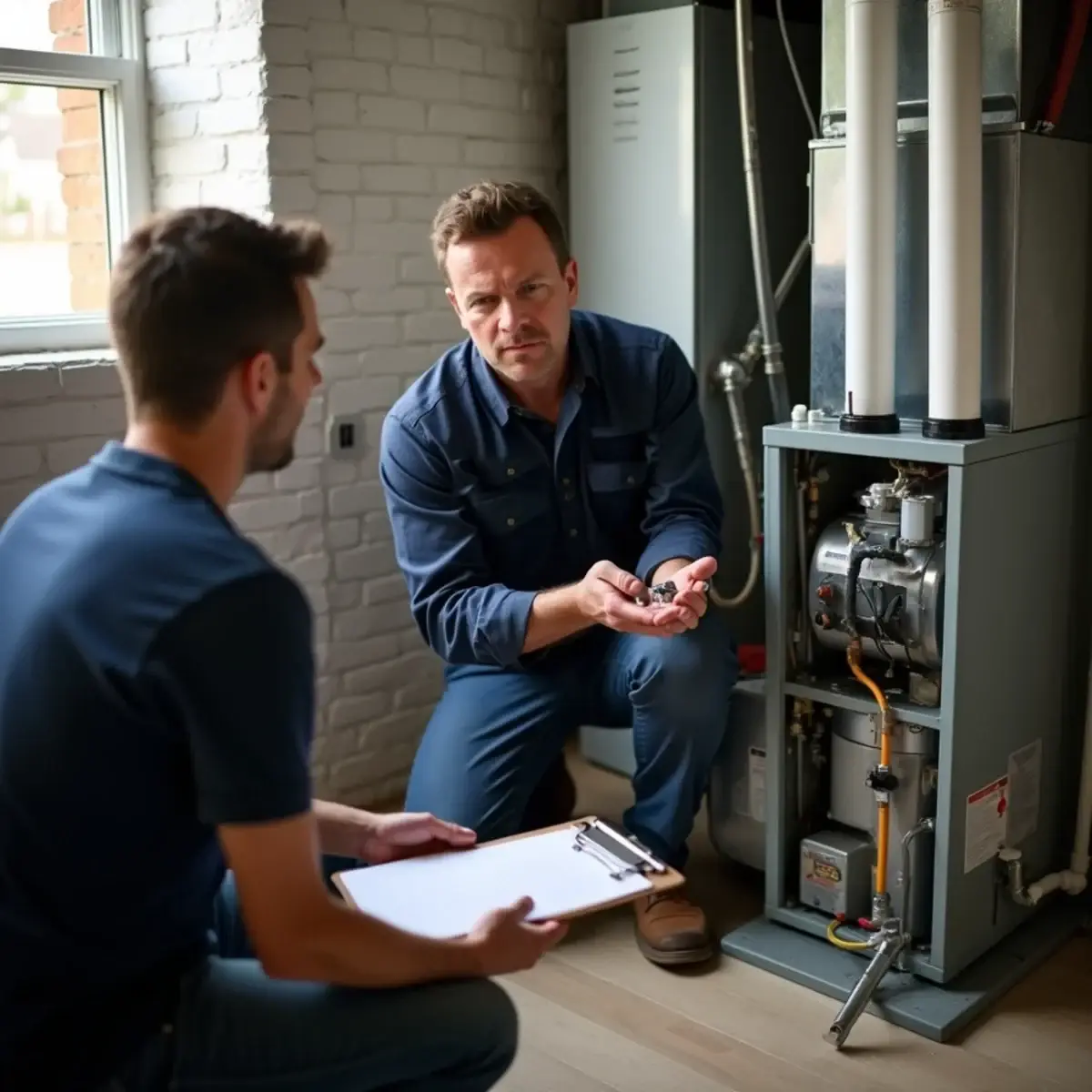
A technician can describe what failed and what the evidence shows, such as burn marks on a control board after a storm. The technician cannot tell you whether your claim will be paid, and an honest report will say so when a failure looks like age.
A typical August call from Elizabethtown goes like this: a thunderstorm rolls through, the power blinks, and afterward the outdoor unit hums but the fan never spins. The technician finds a failed capacitor and a scorched contactor, photographs both, and notes the timing. Whether a surge claim makes sense is then a question for the homeowner's agent.
From the service calls
What the technician's written findings should say for a claim
An adjuster decides coverage, but the adjuster is often reading what the HVAC technician wrote down. A vague invoice that says only "replaced control board" helps nobody. Ask for written findings that cover:
- What was damaged: the specific parts, such as a burned control board, a blown capacitor, a crushed outdoor coil or a flooded burner assembly.
- What the damage looked like: scorch marks and pitted contacts after a storm, a water line on the cabinet after a basement flood, cut copper lines after a theft.
- When it was found and when the homeowner says the problem started.
- Whether it can be repaired, and the price for repair versus replacement.
- Anything that points to age or wear, stated honestly, because adjusters check for it anyway.
A technician should describe what they saw, not guess at a cause that fits the policy. Clear, honest findings tend to move a claim along faster than optimistic ones. When the heat or cooling is out while you wait on the adjuster, our emergency HVAC repair line can get a safe temporary fix in place first.
When to call for help
Do not let a coverage question delay a safety problem. If there is no heat on a freezing night, water spreading near wiring, or a burning smell, call for emergency HVAC repair first and sort out the claim afterward. If the system is beyond repair, the technician can quote furnace and AC installation in writing so your insurer or warranty company can review it. Call (321) 478-0693; calls are answered 24/7, and you get a price before any work starts.
Quick answers
Will my deductible apply to an HVAC claim?
If the damage is covered, your normal deductible usually applies, and an equipment breakdown endorsement may have its own. When the repair is close to or below the deductible, filing may not make sense. Ask your agent how a small claim might affect your policy before you file, and keep the written diagnosis either way.
Can I replace my furnace right away and file the claim later?
If it is an emergency, such as no heat in freezing weather, take reasonable steps to protect the house and keep every receipt. For a full replacement, many insurers want a chance to inspect the damaged equipment first. A quick call to your insurer before you approve the work helps avoid a dispute later.
Does insurance cover a stolen or vandalized outdoor AC unit?
Usually, yes. Theft and vandalism are covered perils on most homeowners policies, and outdoor condensers are sometimes targeted for their copper. File a police report, photograph the damage and the empty pad or cut lines, and have a technician write down what was taken or damaged. Your deductible still applies, so compare the repair price with it before filing.
Services mentioned in this guide
Emergency HVAC Repair (24/7)
No heat at 2 a.m. in January or a dead air conditioner during a July heat wave? A real person answers 24/7, sends a local HVAC technician for furnaces, heat pumps, boilers and central air, and gives you the price before any work starts, including any after-hours rate.
Emergency HVAC in Mount JoyFurnace Repair
Gas, oil or propane, a furnace that will not light or keeps blowing cold air gets a real diagnosis: igniter, flame sensor, inducer, oil burner or controls. A local technician explains the fault, gives the price before work starts, and checks for carbon monoxide risk before the heat goes back on.
Furnace Repair in Mount JoyAC and Furnace Installation
Replace a worn-out furnace, air conditioner or heat pump with a system sized by a Manual J load calculation, not the old nameplate. Gas furnace with central air, heat pumps, dual fuel and oil-to-gas conversions for Mount Joy homes, with AHRI-matched equipment, permits handled and the price given before work starts.
AC & Furnace Installation in Mount Joy