
The short answer
To air-condition a house with radiators, most Lancaster County owners add ductless mini-splits, which need only a small hole per room. High-velocity small-duct systems, window or through-the-wall units, and a ducted air handler in the attic are the other options. The radiators and boiler can stay as the winter heat.
A house heated by radiators can get real air conditioning without tearing out the boiler. There are four practical routes: a ductless mini-split, a high-velocity small-duct system, window or through-the-wall units, or conventional central air with an air handler in the attic. For most pre-1940 homes in Lancaster County, with plaster walls and no ductwork, a ductless mini-split gives the best mix of comfort, efficiency and minimal disruption. High-velocity systems suit owners who want nothing mounted on the walls.
Below, each option is explained in turn, with a comparison table and the details that matter in old brick and frame houses, including the historic districts in Columbia and Lititz.
Why Radiator Houses Are Hard to Cool
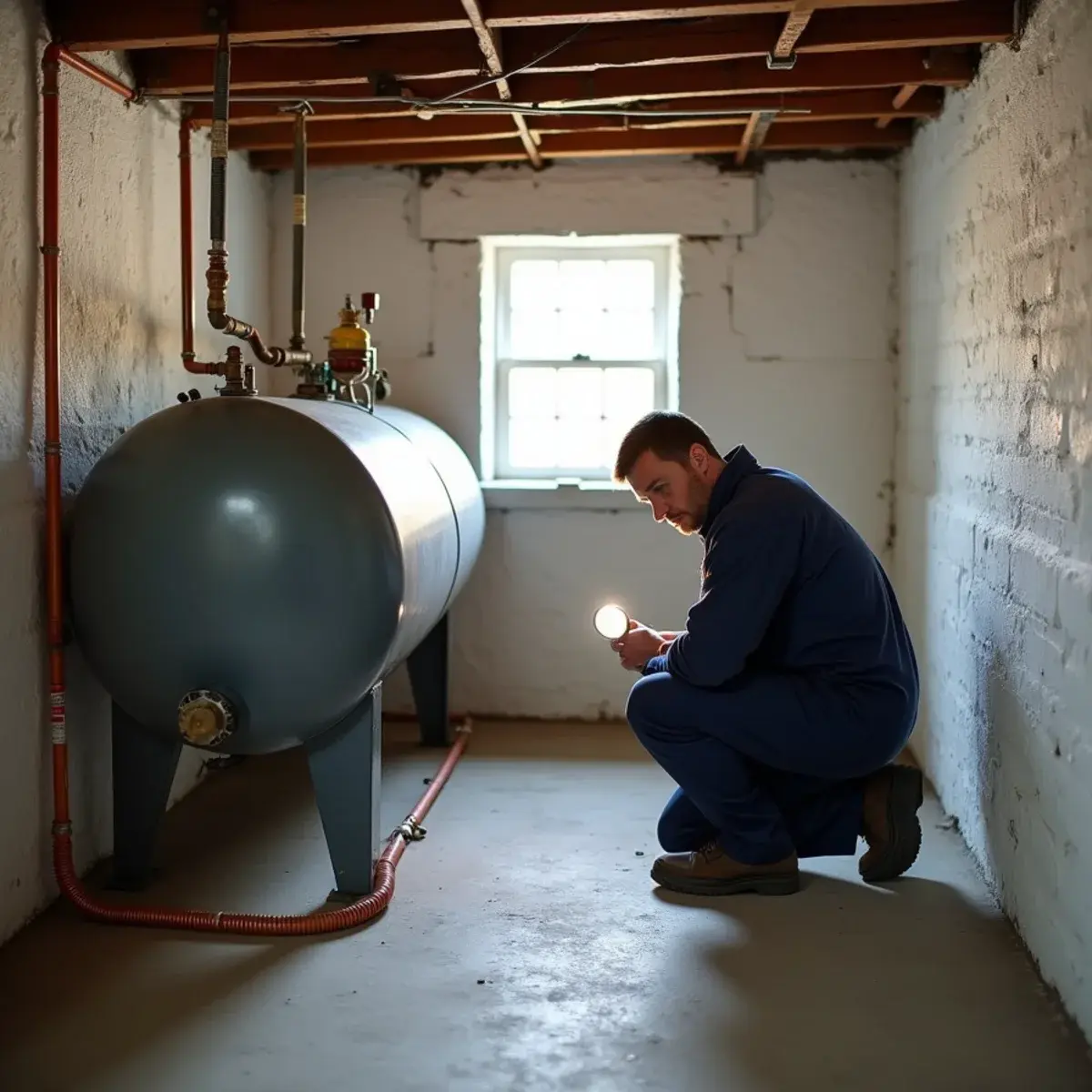
About a quarter of Mount Joy's homes were built before 1940, mostly along Main Street and in Florin, and the river boroughs and Moravian towns nearby have even older housing. These homes were designed around a boiler sending hot water or steam to cast iron radiators. Heat moved through pipes, not air, so no one ever built supply and return ducts.
Air conditioning needs a way to move cooled air and pull out moisture. In Lancaster County, where July humidity often matters as much as temperatures in the 90s, removing moisture is half the job. The question is how to deliver that cooling without opening up plaster walls in every room.
Option 1: Ductless Mini-Splits
A mini-split pairs an outdoor compressor with one or more slim indoor units, called heads, mounted high on a wall or in the ceiling. A small bundle containing the refrigerant line set, a condensate drain and a control wire passes through a hole about three inches across. One outdoor unit can serve several heads in a multi-zone system, each with its own temperature control.
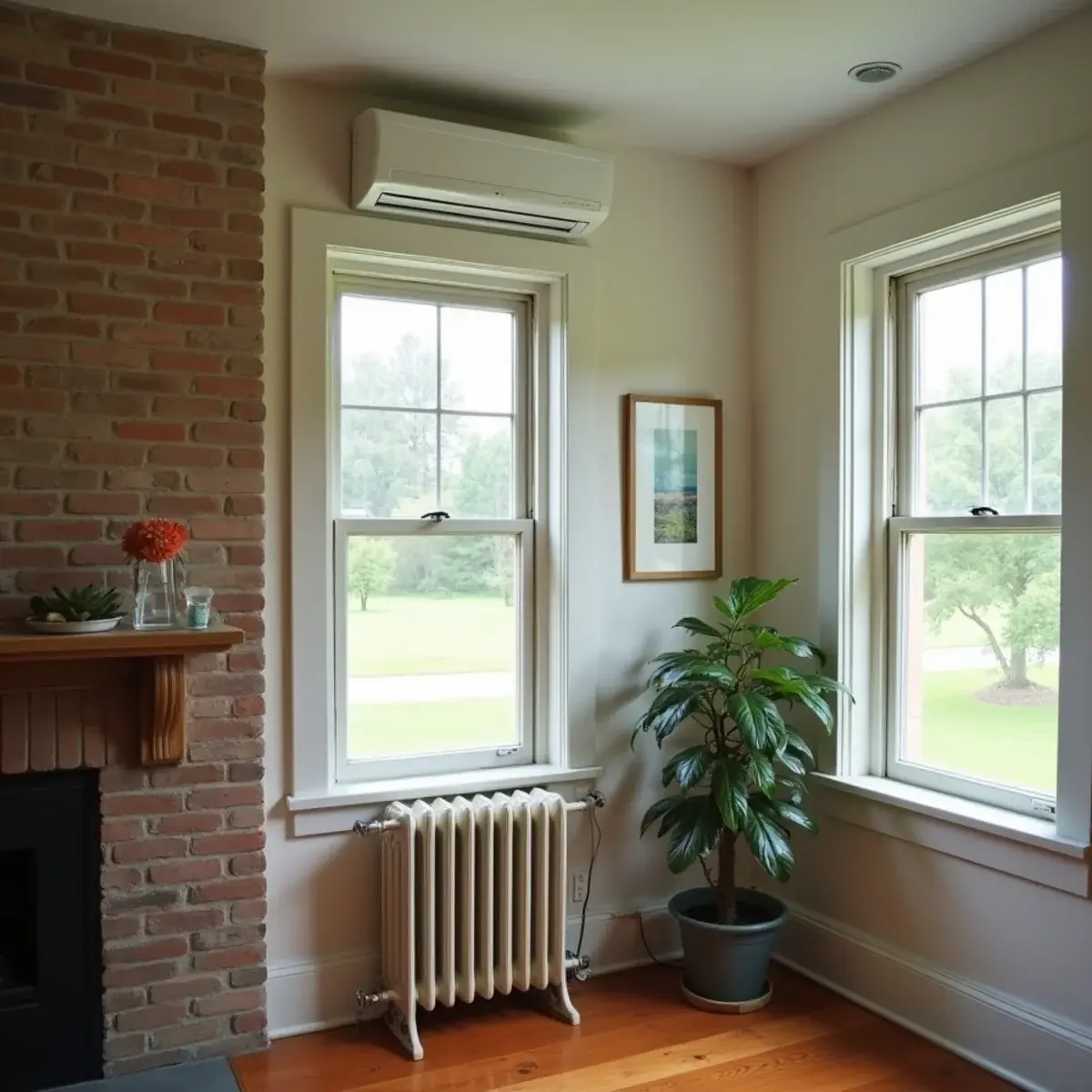
- Strengths: very efficient, quiet, room-by-room control, and the least demolition of any central option.
- Bonus: nearly all mini-splits are heat pumps, so they can heat in spring and fall while the boiler stays off.
- Trade-offs: the indoor heads are visible, and every head's drain line needs a sensible path outside or to a condensate pump.
When comparing quotes, look at the SEER2 rating for cooling and HSPF2 for heating, the ratings in use since 2023. Many newer models run on A2L refrigerants such as R-32 or R-454B. PPL efficiency programs change from year to year, so check the current PPL page before you buy.
Our ductless mini-split installation page covers sizing, head placement and what installation day involves.
Option 2: High-Velocity Small-Duct Systems
High-velocity systems use an air handler in the attic or basement and flexible supply tubes about two inches in diameter. Those tubes snake through closets, wall cavities and between floor joists, ending at small round outlets a few inches across. The air moves quickly and mixes the room well.
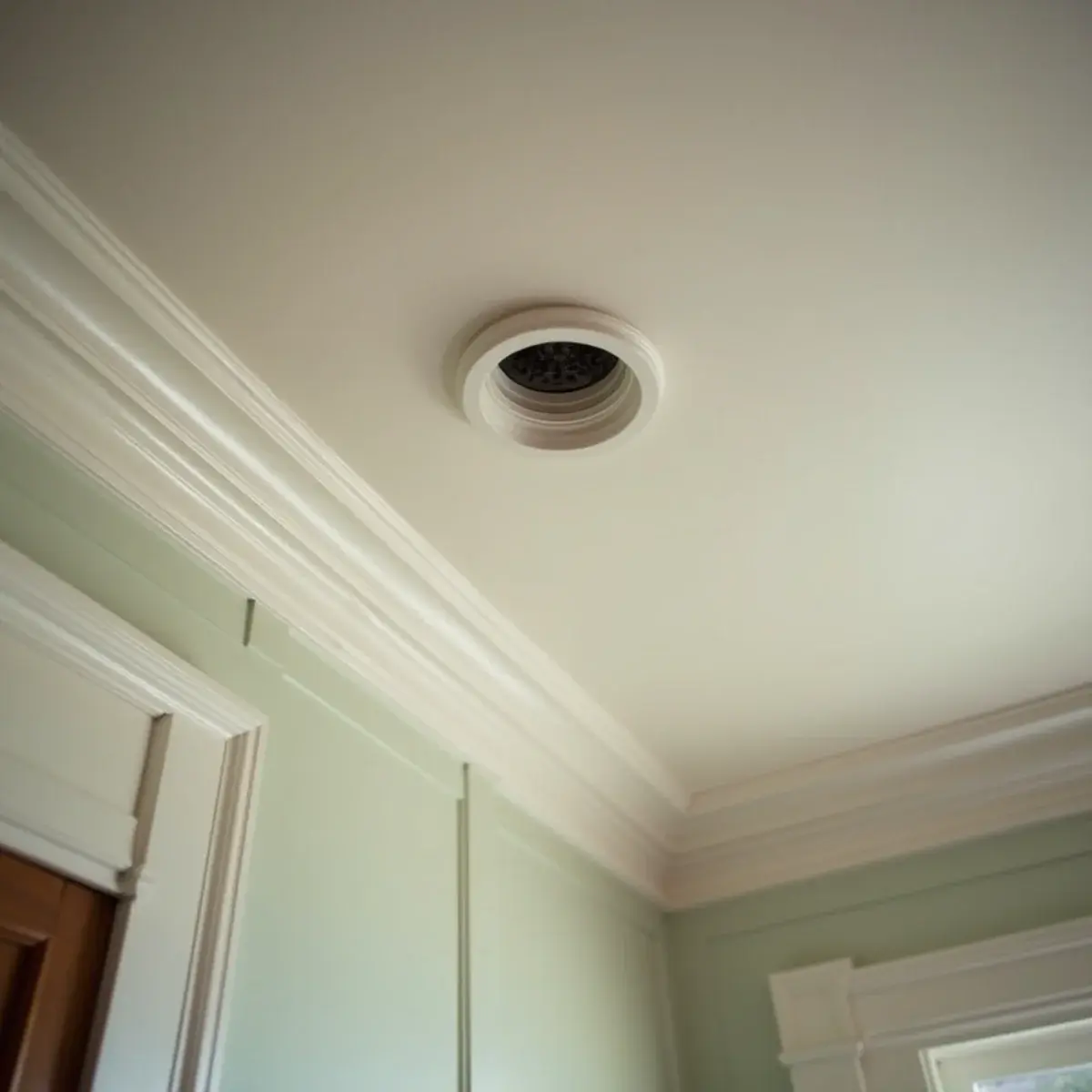
These systems remove moisture well, which helps on muggy summer nights, and they leave walls nearly untouched. Installation is labor-intensive, however, and outlets can make a soft hiss that some owners notice in quiet bedrooms. Fewer technicians install them, so ask about experience with this specific type.
Option 3: Window and Through-the-Wall Units
Window units have the lowest upfront cost and need no contractor. They are also noisy, block light, lose efficiency through gaps around the sash, and can damage old wood windows. Many historic district guidelines discourage them on street-facing windows.
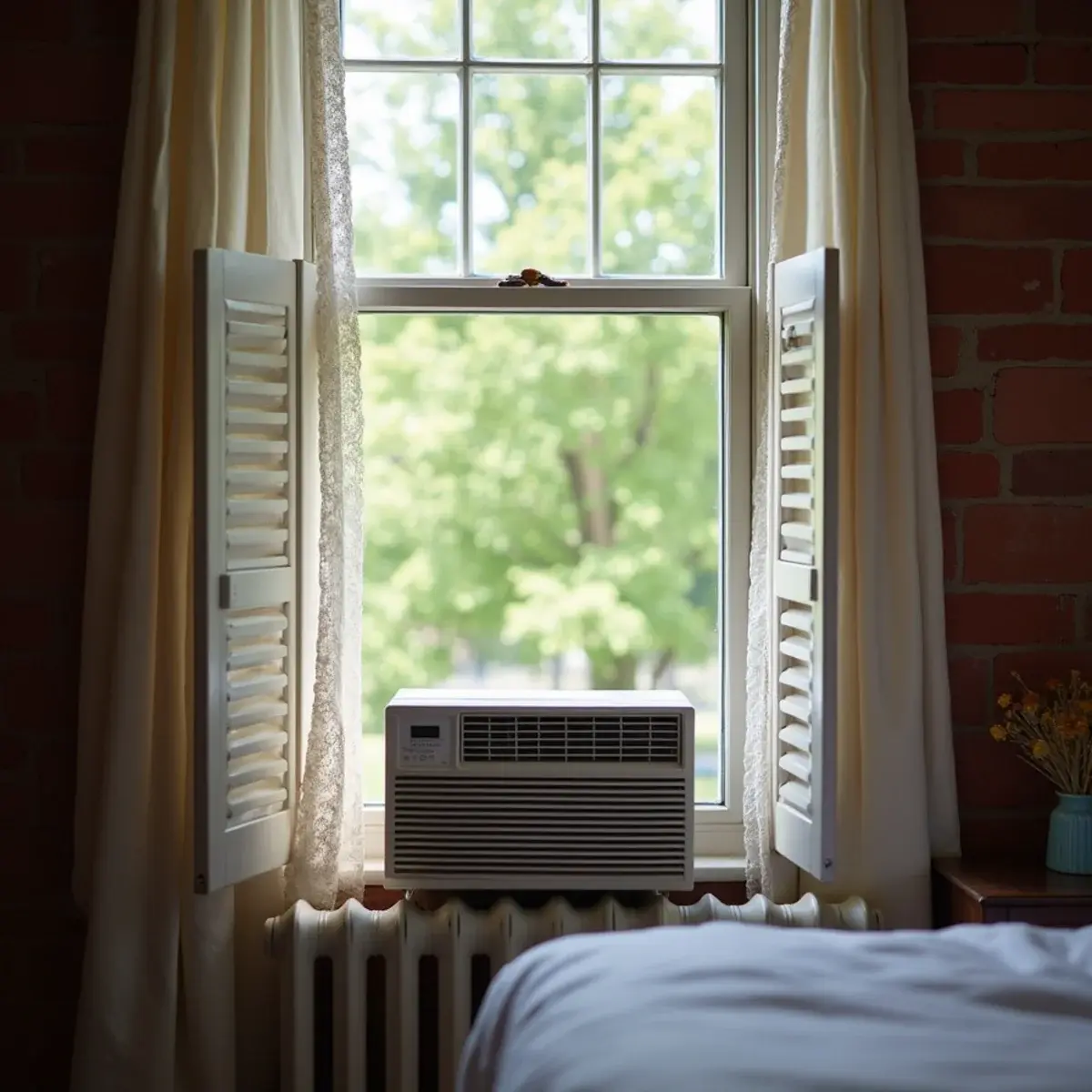
Through-the-wall units sit in a permanent sleeve, which seals better than a window. Cutting that sleeve through a solid brick wall in an 1890s rowhome is serious masonry work, so they make more sense in a frame addition or a back kitchen.
Option 4: Ducted Central Air in the Attic
Many owners of two-story homes add a conventional air handler in the attic with ducts running down into the second-floor ceilings. The upstairs bedrooms, which get the hottest, cool very well. The first floor is the hard part, since ducts must drop through closets or chases, and some homes end up using a mini-split head downstairs instead.
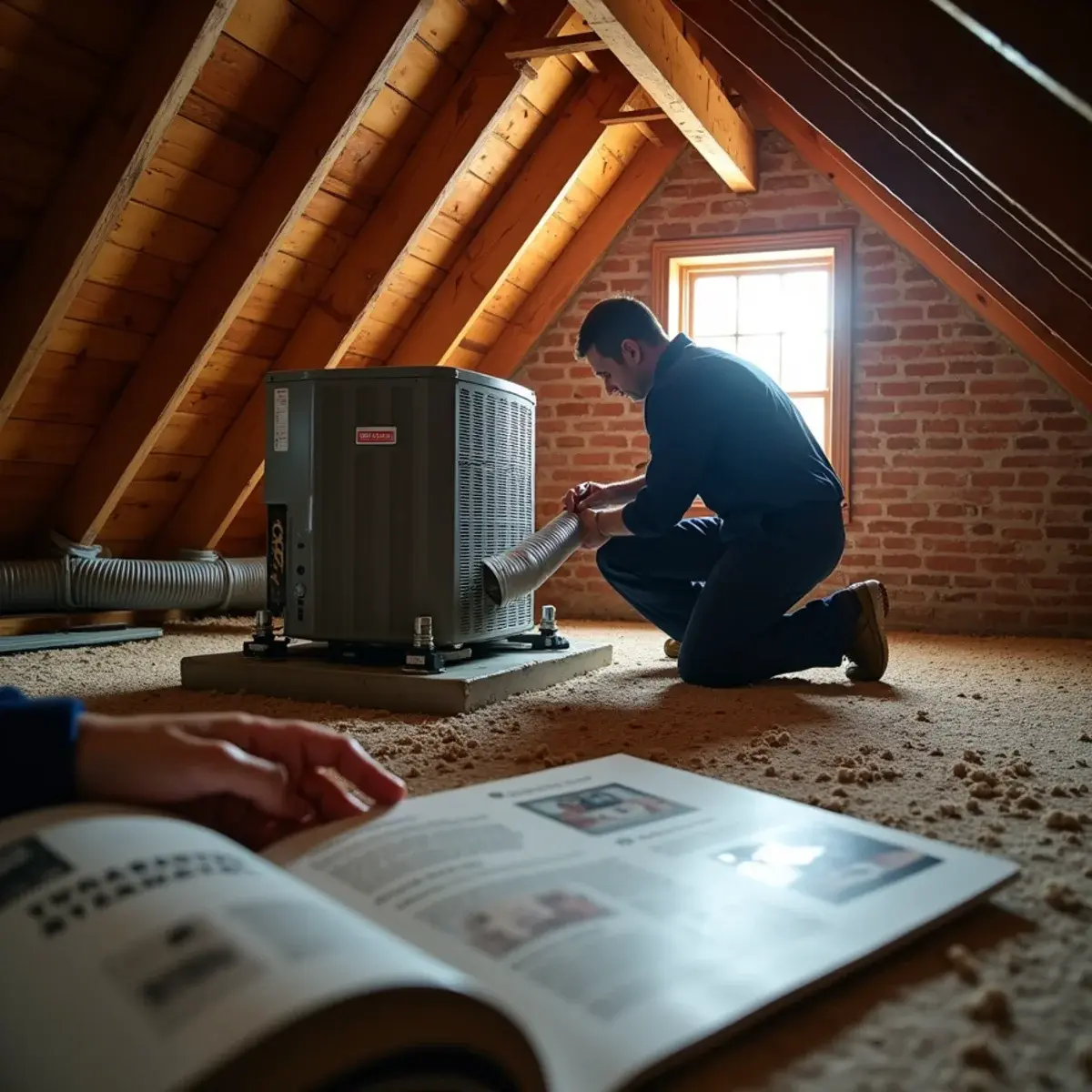
Attic equipment works in a space that can top 130°F in July, so the ducts must be sealed and well insulated, and the attic needs good access for service. A proper Manual J load calculation is essential; our article on why a Manual J load calculation matters explains what to expect from the quote. For the full scope of a ducted install, see our central air and furnace installation page.
Comparing the Four Options
| Option | Wall and plaster impact | Comfort and humidity | Main drawbacks |
|---|---|---|---|
| Ductless mini-split | One small hole per head | Excellent, room by room | Visible indoor heads, drain routing |
| High-velocity small-duct | Small round outlets, few wall openings | Very good moisture removal | Labor-heavy install, outlet noise |
| Window or through-wall | None for window; masonry cut for wall sleeve | Fair, one room each | Noise, efficiency, window damage |
| Attic ducted central air | Ceiling openings upstairs, chases for first floor | Good upstairs, harder downstairs | Attic heat, first-floor duct routes |
Plaster, Brick and Historic Districts
Old plaster on wood lath cracks when it is cut carelessly, so experienced installers drill from the outside where they can and plan line set routes along exterior walls. Outside, those lines run in a paintable cover that can be matched to the brick or siding.
Columbia's historic district along the Susquehanna is lined with dense rowhomes and twins that share walls and have tiny back yards, so condenser placement takes planning. In Columbia's rowhomes and twins, a rear wall bracket or a small pad in the back yard usually works. Along Main and Broad streets in Lititz's historic core, owners often prefer high-velocity systems or carefully hidden mini-split heads to keep interiors original.
Check with the borough first
National Register listing alone rarely limits what a private owner does. A locally regulated historic district can, though, especially for equipment visible from the street. Call the borough office before you choose a spot for the outdoor unit.
Keep the boiler in good shape too. New air conditioning does nothing for winter heat, and our boiler repair and service page explains what yearly service covers.
From the service calls
Choosing the right mini-split head for an old house
Most people picture the white wall unit near the ceiling, and it is the most common choice. In older homes, though, the room often decides the style.
| Style | Where it fits | Watch for |
|---|---|---|
| High wall | Most bedrooms and living rooms, mounted above windows or doors | Placement that blows down the room, not straight at a bed or chair |
| Floor console | Under a window, sometimes where an old radiator was removed | Needs open floor space and a clear path for the line set |
| Ceiling cassette | Rooms with an attic or open joist bay above | Needs ceiling depth; best on a top floor |
| Slim ducted unit | Hidden in a closet or attic, feeding two or three nearby rooms through short ducts | Needs attic or closet space and careful duct sizing |
Size matters more than style. A head that is too big for a small bedroom cools it in minutes, shuts off, and leaves the room clammy, which is exactly what an older brick house in a humid July does not need. Each head should be sized for its own room, and the dry or dehumidify mode helps on muggy days. Our ductless mini-splits page explains how heads are placed and sized.
Finding the Right Setup for Your House
The right choice depends on the house: how many floors, where the attic access is, how much of the original interior you want untouched, and which rooms bake first in July. Call (321) 478-0693 to talk it through. Calls are answered 24/7, and we send a local HVAC technician who looks at the house in person and gives you a price before any work starts. If your home still runs on oil, our article on oil heat conversion options covers how a heat pump system could handle both seasons.
Quick answers
Can a mini-split replace my boiler entirely?
Sometimes. In a smaller, well-insulated house, a cold-climate multi-zone system can carry the heating load through most of the winter. In larger, drafty older homes, most owners keep the boiler for the coldest weeks and let the mini-splits handle cooling plus spring and fall heating. A room-by-room load calculation tells you which camp your house falls in.
How long does it take to add cooling to a radiator house?
A single-zone mini-split is often installed in a day. A multi-zone system usually takes one to three days depending on how many heads and how the line sets are routed. High-velocity and attic ducted systems involve more carpentry and typically take several days, sometimes with a separate electrical visit for the new circuit.
Will adding air conditioning help with humidity and musty basements?
It helps the rooms it serves, since every AC system removes moisture as it cools. It does little for a stone basement that was never part of the cooling plan. Many older Lancaster County homes need a separate basement dehumidifier, with its drain routed to a floor drain or a condensate pump.
Services mentioned in this guide
Ductless Mini-Split Installation and Repair
Heating and cooling for rooms that ductwork never reached: radiator homes, additions, finished attics and garages. Single-zone and multi-zone mini-splits sized room by room and installed through a small wall opening instead of torn-up plaster, plus repair for leaks, drain clogs and error codes. Cold-climate models keep heating through a Pennsylvania winter.
Ductless Mini-Splits in Mount JoyAC and Furnace Installation
Replace a worn-out furnace, air conditioner or heat pump with a system sized by a Manual J load calculation, not the old nameplate. Gas furnace with central air, heat pumps, dual fuel and oil-to-gas conversions for Mount Joy homes, with AHRI-matched equipment, permits handled and the price given before work starts.
AC & Furnace Installation in Mount JoyBoiler Repair and Oil Heat Service
Hot water and steam boiler repair for Mount Joy's older homes: cold radiators, leaks, banging pipes, failed circulators and stuck zone valves. Annual oil burner service with a new nozzle, filter and combustion test, plus straight advice on when a tired boiler should be repaired, replaced or converted. Calls answered 24/7.
Boiler Repair in Mount Joy